


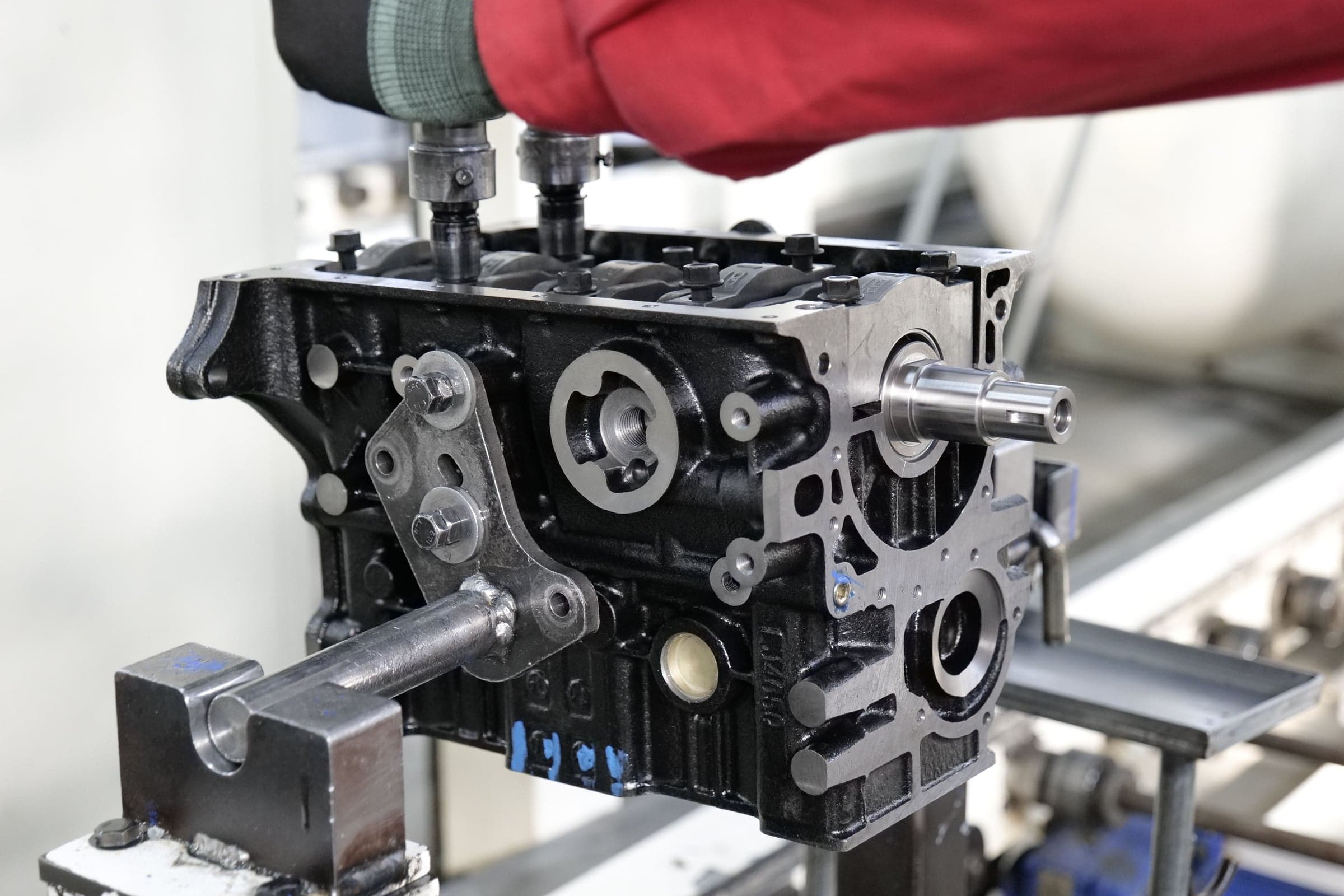
Forschungszulage for automotive suppliers: liquidity out of your development work
Electrification, software, driving functions: the development budgets keep running, even where every euro counts at a supplier right now. That development work is exactly what the Forschungszulage funds, returning 25% of your eligible R&D costs, or 35% for SMEs, retroactively for up to 4 years and without giving up equity. We handle the BSFZ application, you invest less than 5 hours across 4 calls.
- success-based
- 100%success-based
- retroactive
- 4 yearsretroactive
- success rate of our applications
- 95 %success rate of our applications
What counts as R&D at a supplier
The BSFZ assesses every project against three criteria. It is not the component that decides, but the open technical question behind it. What the individual characteristics mean:
Lightweight design and joining technology
Load-optimised structural and body parts with new material combinations whose strength in mixed construction can only be proven in trials.
Battery, thermal management, power electronics
Cell modules, cooling concepts and power electronics where energy density, charging power or thermal behaviour are technically open.
Driver assistance and sensor systems
Perception and control algorithms for assisted driving functions whose robustness under real, changing environmental conditions is uncertain.
Software and control units
New E/E and zonal architectures, ECU software, safe over-the-air updates, where latency, validation or diagnostic capability are uncharted territory.
New manufacturing processes
Forming, casting, bonding or additive processes for series parts whose process window and material behaviour still have to be researched.
Test rigs and test carriers
In-house test rigs, HiL environments and test carriers that make a technical uncertainty measurable in the first place.
Not sure where your line runs between customer project and eligible development? 5 minutes in a call are enough for a first assessment.
Clarify the boundary in a callWhich costs you can claim
The biggest block sits with your development team, joined by test equipment and external development partners. Since 28.03.2024 test rigs count as well; from 2026 the overhead flat rate is added.
- Personnel costs
- 100% claimable: development, design, testing, calibration, software, proportional to R&D time
- Contract research
- 70% of the fee for external R&D contracts (for expenditure up to 27.03.2024: 60%), contractors based in the EU/EEA. Engineering service providers outside the EEA do not count
- Test rigs and test carriers
- Depreciation on newly acquired movable assets used exclusively for R&D (acquired after 27.03.2024)
- Overhead flat rate
- A 20% flat rate on direct project costs, for projects starting in 2026 or later
- Own contributions
- €100/h for work from 2026 (until the end of 2025: €70/h), for sole traders and partners, max. 40 hours per week
- Funding rate
- 25% of eligible expenditure, 35% for SMEs
- Assessment base
- Up to €12 million per year from 2026 (28.03.2024 to the end of 2025: €10 million, before that €4 million); retroactive applications are capped at the limits in force at the time
Common doubts
Three sentences that keep suppliers from applying
These are the sentences we hear again and again in first calls with suppliers, and what actually applies:
“That is a customer project for an OEM, there is nothing in it for us.”
If you develop at your own expense and carry the technical risk, the development share of your customer project can be your own R&D. What matters is risk, results and IP rights, not the label “customer project”. In genuine contract research the client is the entitled party, which is why we look at your contracts before the BSFZ application and give you an assessment, subject to your tax advisor's final review.
“We have no advance development department of our own.”
The Forschungszulage asks about the project, not about your org chart. What gets counted is the R&D time of the people who worked on the open technical question, in design, testing, calibration or software, including proportionally alongside the series project. What comes afterwards — tooling release, process capability, requalification — is separated out in the application.
“The test rig is an investment, it does nothing for the Forschungszulage.”
Assets acquired from 28.03.2024 count through depreciation, if the asset is used exclusively in the R&D project. Series inspection or customer acceptance on the side rules it out, so document the usage from the start.
Do you recognise yourself in one of these sentences? Then let's clarify in a call what actually counts in your case.
Check your eligibility in a call8 benefits
Why is the Forschungszulage a good funding option?
Compared to traditional funding programmes, the Forschungszulage is the better choice for most companies.
- 1
Legal entitlement
No competition for budgets: if the criteria are met, funding must be granted.
- 2
Up to 4 years retroactive
Even completed projects can still be funded.
- 3
Open to all industries
Software, mechanical engineering, MedTech, construction: R&D is R&D, whatever the industry.
- 4
Even without profit
No tax burden needed, the allowance is paid out as a credit.
- 5
Less bureaucracy
No upfront project plan, no interim reports, no proof of use.
- 6
Fully digital process
Application via BSFZ portal and ELSTER, no paper, no postal mail.
- 7
Thematically open
No rigid topic catalogue: product development, process innovation, everything counts.
- 8
Broad cost base
Personnel costs, contract research and capital assets are eligible.
A finished application in 4 calls
You do not need an internal funding project. We identify eligible development inside series and customer projects, allocate people and costs, and draft the application so it holds up to the BSFZ review. Your effort: 4 calls, less than 5 hours in total.
- 01
Finance Checklist
30 min
We clarify which documents you need, as a company-specific checklist. You get the documents from your tax advisor, nothing more to do on your side.
- 02
Finance Review
30 min
We structure your data ourselves (employees, salaries, contractors), run the numbers on your payroll journal and sort out clearly ineligible items such as routine work or contractors outside the EEA right away. For you, it's just review.
- 03
Product & Innovation
45 min
We identify your innovation projects, assign employees by percentage, and discuss novelty and technical risk.
- 04
Final Review & Submission
30 min
You get an async review upfront. If everything checks out, we submit the BSFZ application — otherwise we use call 4 as a deeper product call.
Common questions from the automotive industry
Talk to people who understand your development work
In a first call we clarify which of your projects go beyond series support and customer specifications, and which costs you can realistically claim. 5 minutes are enough for a first assessment, without your engineers losing days to it.
More industries
Eligible R&D looks different in every industry. Here is what counts in the other sectors.
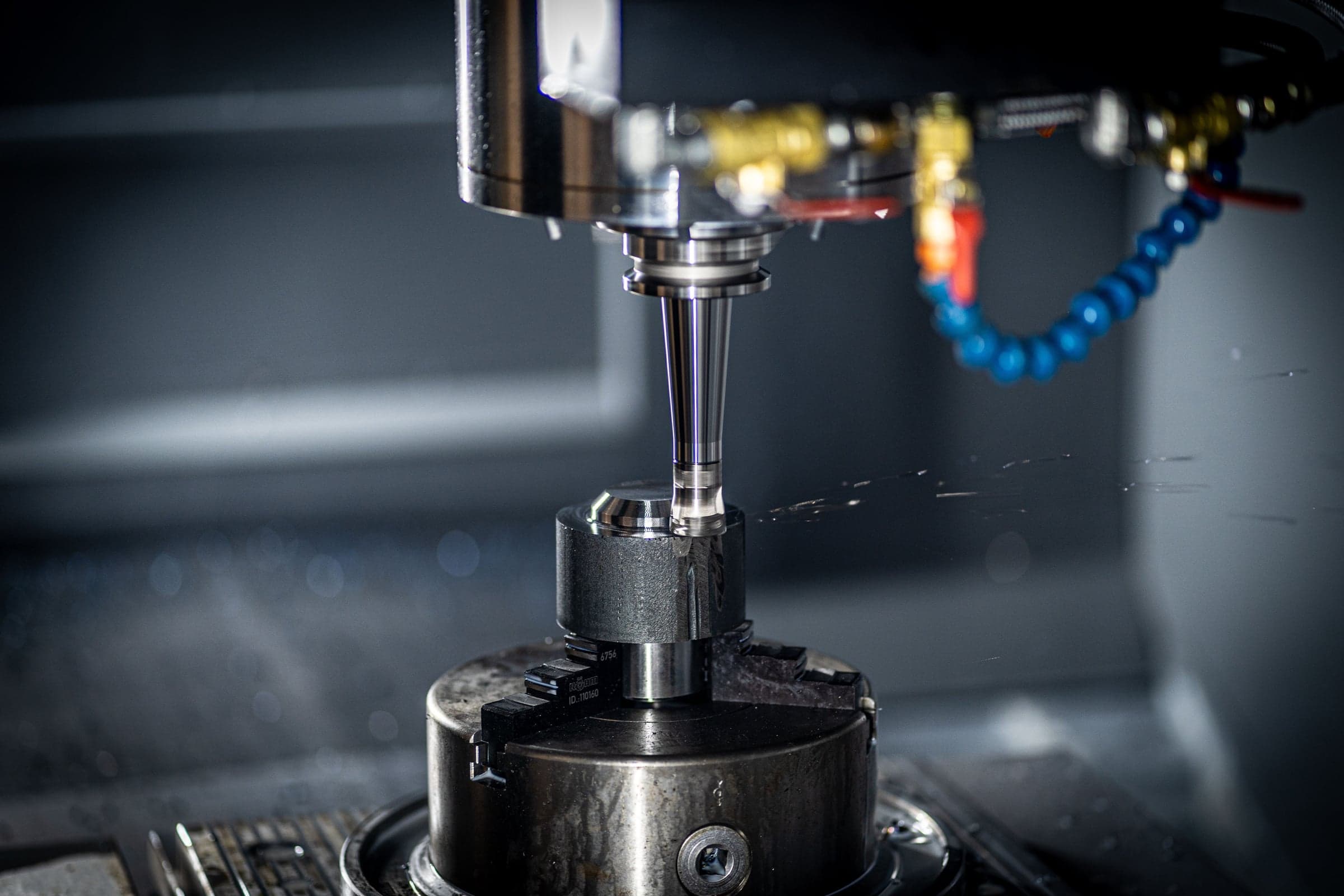
Mechanical engineering
Forschungszulage for mechanical and plant engineering: eligible projects, cost types, common pitfalls. Recover 25%, or 35% for SMEs, of your eligible R&D costs.
View industry page →
Software & AI companies
Forschungszulage for software and AI teams: which projects are eligible and why applications fail. Recover 25%, or 35% for SMEs, of your eligible R&D costs.
View industry page →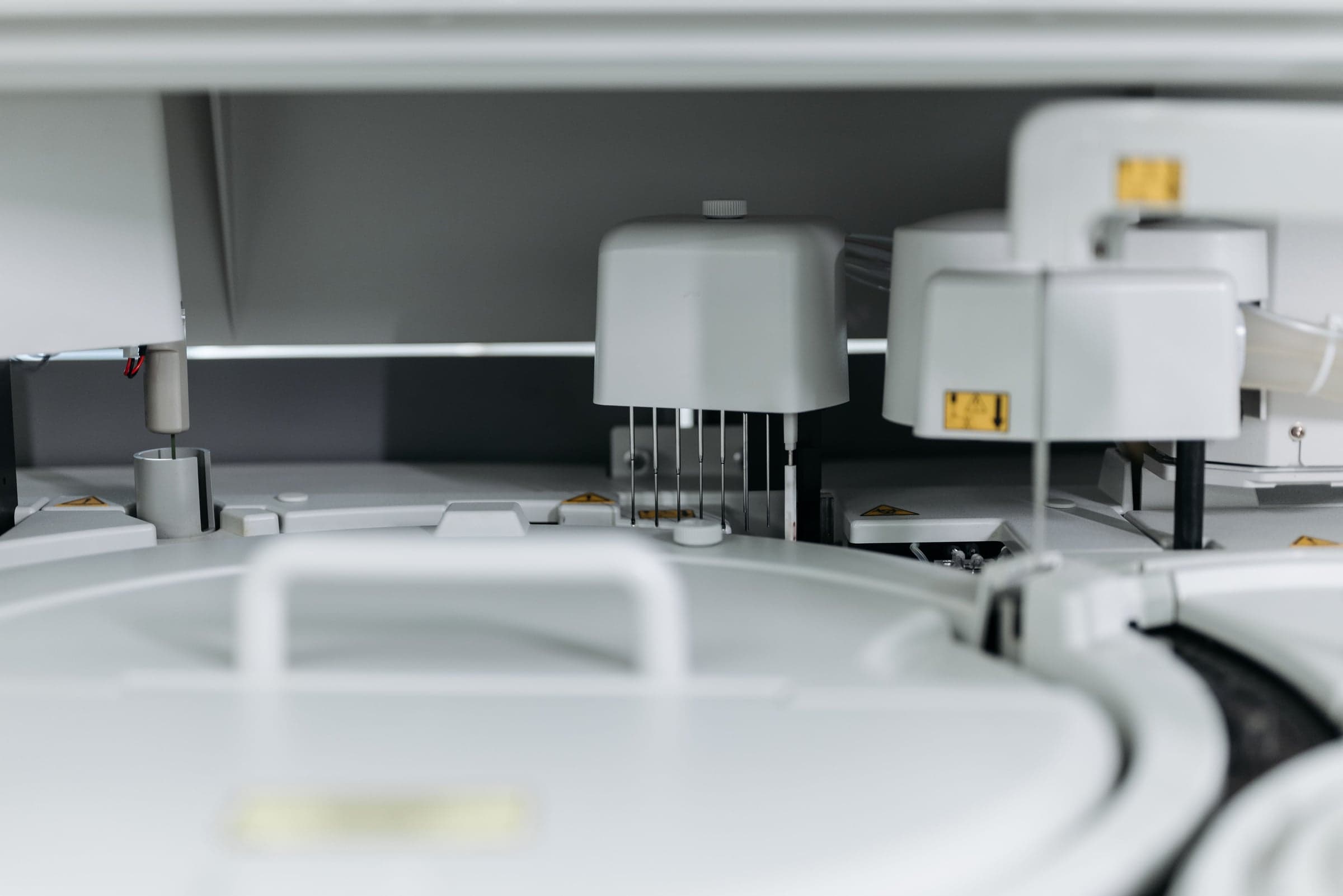
MedTech & HealthTech
Forschungszulage for medical technology and digital health: eligible projects, R&D versus regulatory work. Recover 25%, or 35% for SMEs, of eligible R&D costs.
View industry page →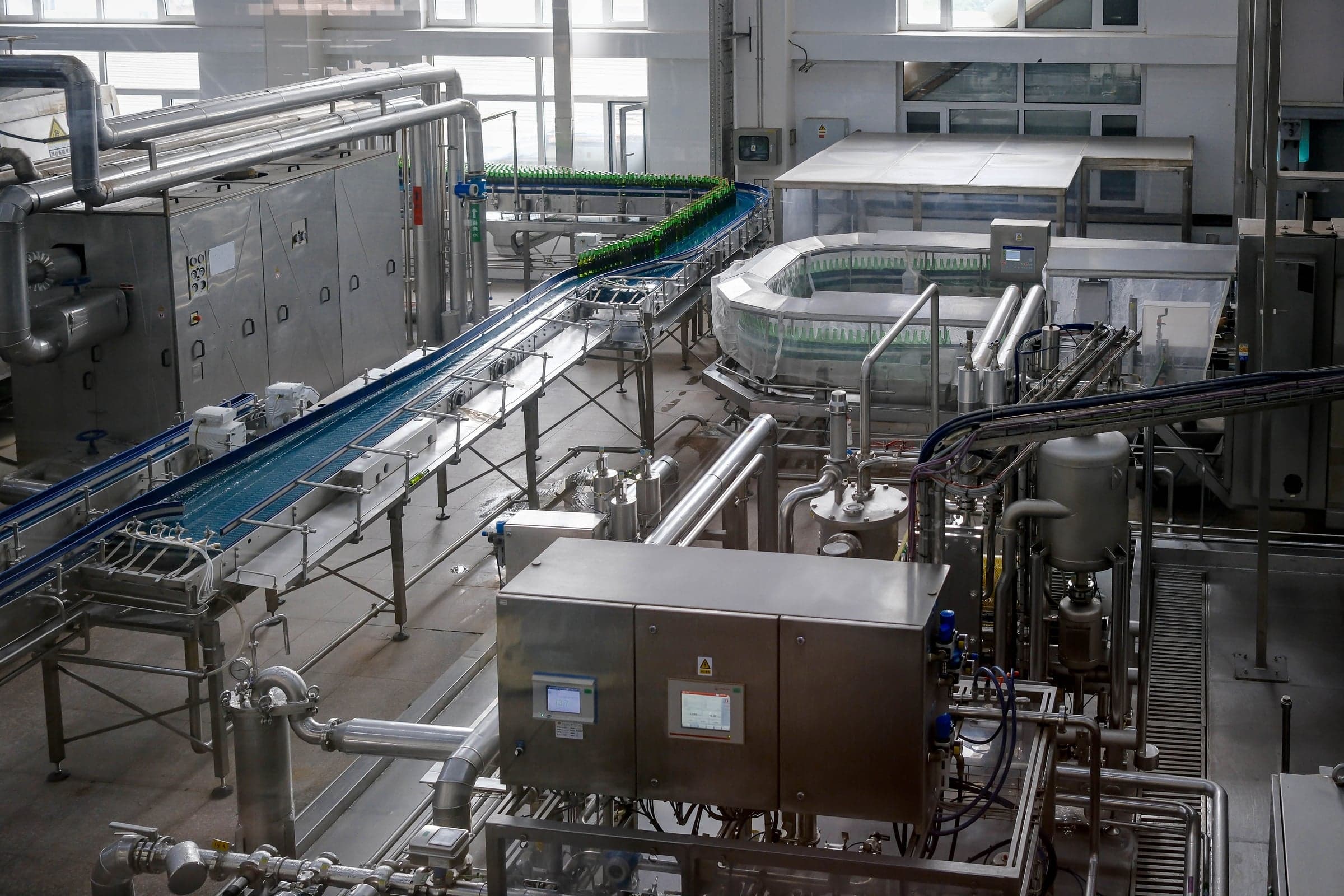
Food industry
Forschungszulage for food manufacturers: eligible recipe, process and packaging development. Recover 25%, or 35% for SMEs, of your eligible R&D costs.
View industry page →
Construction
Forschungszulage for construction companies: eligible projects from concrete formulations to AI scheduling, claimable costs and how it differs from ZIM, KfW and state programs.
View industry page →
Defense tech & dual-use
Forschungszulage for defense tech and dual-use: why the FZulG is technology-neutral, and how secrecy, dual-use demarcation and public procurement contracts play out in the application. 25%, 35% for SMEs.
View industry page →