


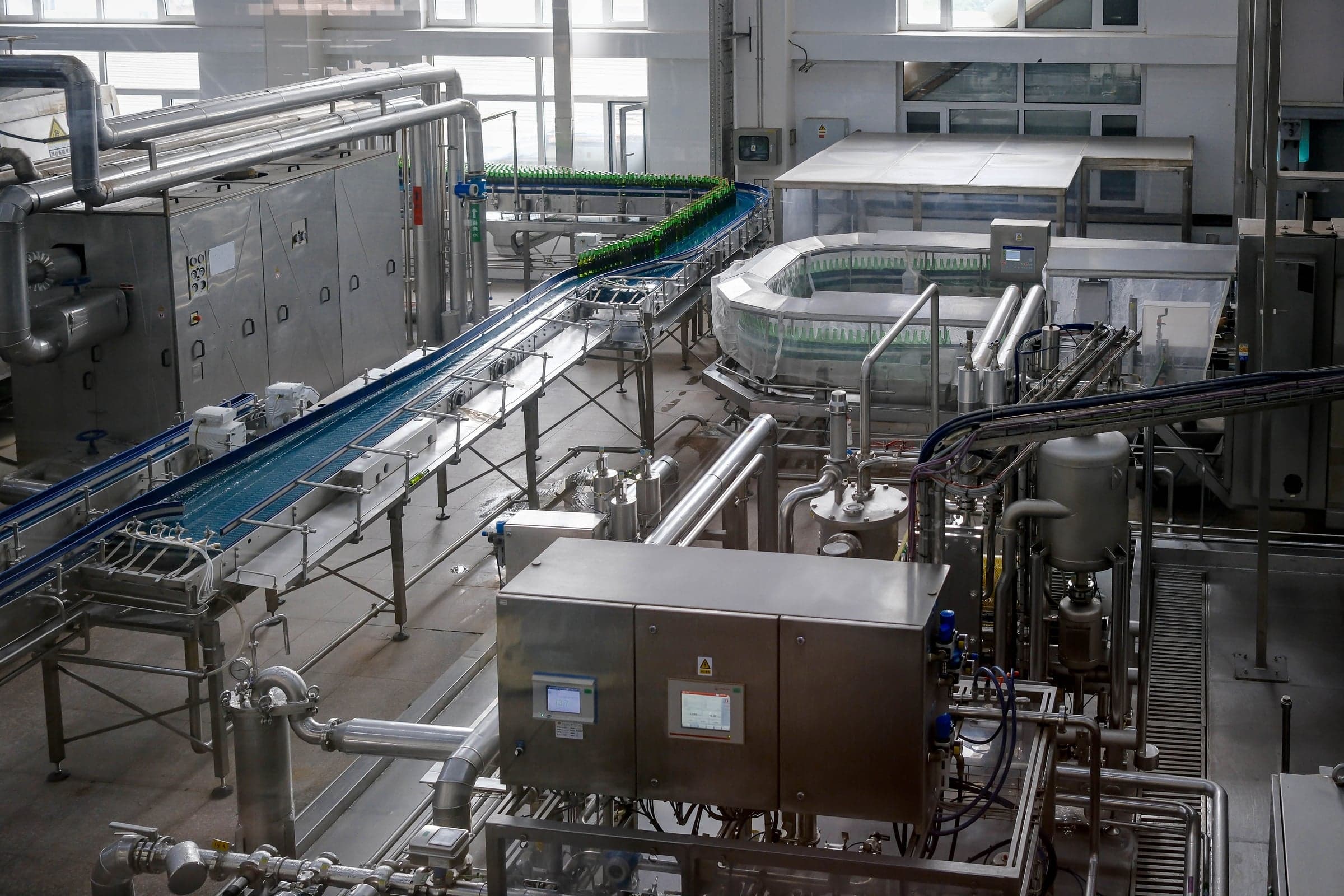
Forschungszulage for the food industry: what you call product development is often R&D
Sugar reduction at the same texture, a stable process after scale-up, longer shelf life via packaging or process parameters: in the food industry, R&D rarely happens in a lab. It happens in recipes, process engineering, QA and packaging. That is exactly the work the Forschungszulage funds, at 25% of eligible R&D costs, or 35% for SMEs. You do not need an in-house R&D department, your effort is 4 calls under 5 hours.
- average funding per year for our clients
- €400,000average funding per year for our clients
- funding rate for SMEs
- 35%funding rate for SMEs
- success rate of our applications
- 95 %success rate of our applications
Where R&D hides in food production
The certificate is decided by the BSFZ's three assessment criteria. It is not the label “research” that counts, but the open technical question inside the project. What the individual characteristics mean:
Recipe development and reformulation
Less sugar, salt or fat, clean label: as soon as texture, sensory profile and shelf life only come back together through test series, it is more than recipe fine-tuning.
New ingredients and raw materials
Plant proteins, fermentation, algae. How a new ingredient behaves in your existing process usually shows up in trials, not in the data sheet.
Processes and equipment
New process control concepts, less energy, water and scrap: eligible when stability or reproducibility are genuinely open beforehand.
Scale-up from lab to line
What works at lab scale falls apart on the production line. The transfer is a project in its own right, including fluctuating raw-material batches.
Shelf life and packaging
Extending shelf life via packaging design, protective atmosphere or process parameters, with measurable quality and safety criteria instead of gut feel.
Analytics, inline measurement and QA
New detection methods for contaminants or allergens, inline measurement technology, data-driven quality models, traceability against food fraud.
Not sure whether your development is still routine or already R&D? That is exactly the line we draw in a short call, 5 minutes are enough for a first assessment.
Get your project assessedWhich costs you can claim
The largest block is the personnel cost of everyone involved. In this sector a second lever almost always comes on top: analytics, institutes, universities and pilot plants run as contract research.
- Personnel costs
- 100% claimable, proportional to R&D time: product development, process engineering, QA, maintenance and production, as far as they work on the project
- Contract research
- 70% of the fee for external R&D contracts with labs, institutes or universities based in the EU/EEA (for expenditure up to 27.03.2024: 60%)
- Overhead flat rate
- A 20% flat rate on direct project costs, for projects starting in 2026 or later
- Own contributions
- €100/h for work from 2026 (until the end of 2025: €70/h), for sole traders and partners, max. 40 hours per week
- Funding rate
- 25% of eligible expenditure, 35% for SMEs
- Assessment base
- Up to €12 million per year from 2026 (28.03.2024 to the end of 2025: €10 million, before that €4 million); retroactive applications are capped at the limits in force at the time
Common doubts
“We only manufacture, we don't do research”
Three sentences that come up in almost every first call with a food manufacturer, and what actually applies:
“We have no R&D department, so this is not for us.”
Eligibility depends on the project, not on your org chart. If product development, process engineering or QA work on an open technical question, exactly that time counts, including proportionally alongside day-to-day operations.
“The project finished long ago, we are too late.”
Unlike grant programmes, the Forschungszulage does not have to be applied for before the project starts. Expenditure from recent years can be claimed retroactively as long as the assessment period of the relevant tax assessment is still open, regularly 4 years.
“We have QA documentation, not project documentation.”
Test plans, measurement data, tasting protocols and process parameters usually exist already, just sorted by batch or line instead of by project. Consolidating them per project, together with time tracking, decides how smoothly the tax office review goes later.
Do you recognise yourself in one of these sentences? Then let's clarify in a call what actually counts in your case.
Check your eligibility in a call8 benefits
Why is the Forschungszulage a good funding option?
Compared to traditional funding programmes, the Forschungszulage is the better choice for most companies.
- 1
Legal entitlement
No competition for budgets: if the criteria are met, funding must be granted.
- 2
Up to 4 years retroactive
Even completed projects can still be funded.
- 3
Open to all industries
Software, mechanical engineering, MedTech, construction: R&D is R&D, whatever the industry.
- 4
Even without profit
No tax burden needed, the allowance is paid out as a credit.
- 5
Less bureaucracy
No upfront project plan, no interim reports, no proof of use.
- 6
Fully digital process
Application via BSFZ portal and ELSTER, no paper, no postal mail.
- 7
Thematically open
No rigid topic catalogue: product development, process innovation, everything counts.
- 8
Broad cost base
Personnel costs, contract research and capital assets are eligible.
Common questions from the food industry
Talk to people who understand your processes
In a first call we clarify which of your development projects meet the three criteria and which costs you can realistically claim. 5 minutes are enough for a first assessment.
More industries
Eligible R&D looks different in every industry. Here is what counts in the other sectors.
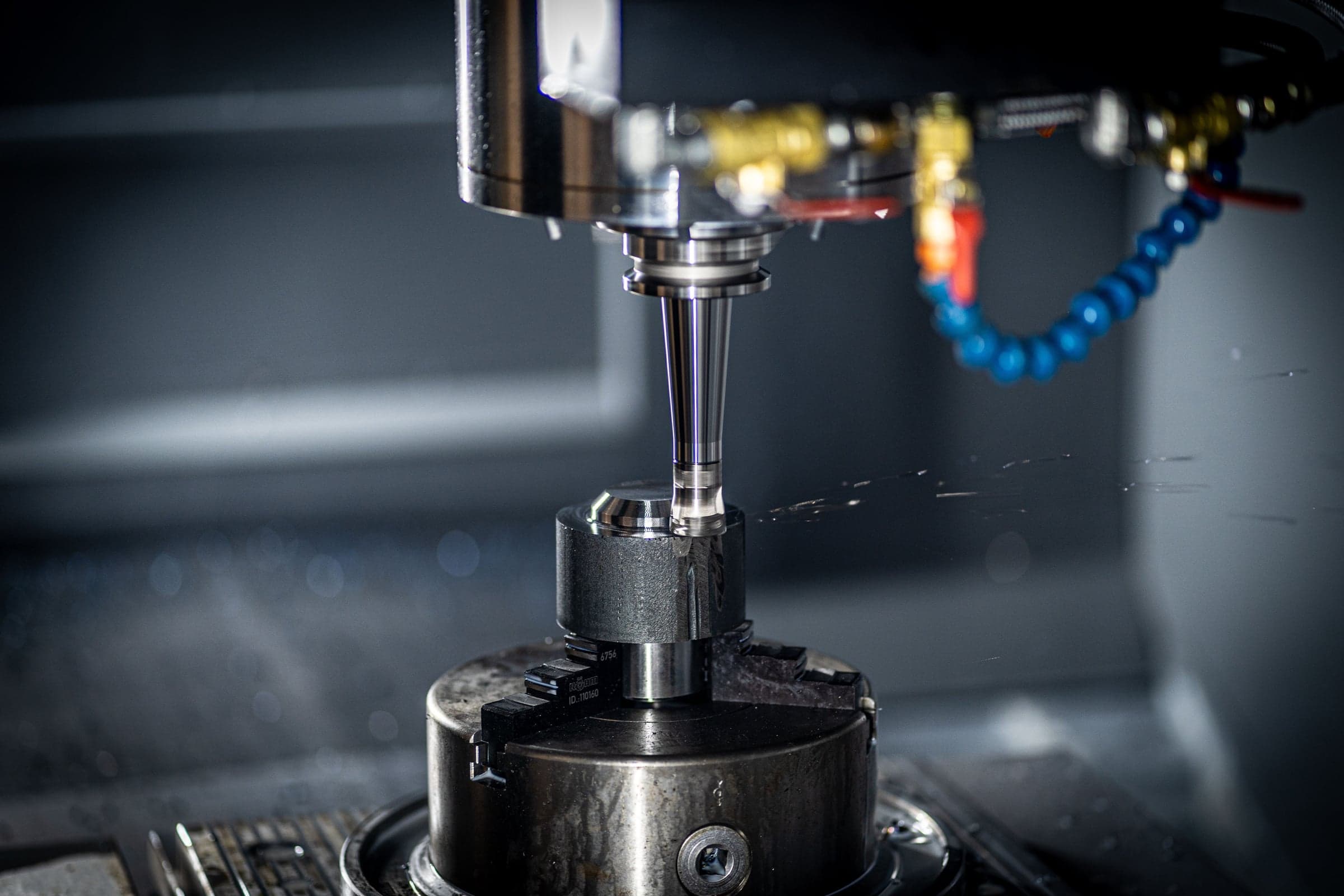
Mechanical engineering
Forschungszulage for mechanical and plant engineering: eligible projects, cost types, common pitfalls. Recover 25%, or 35% for SMEs, of your eligible R&D costs.
View industry page →
Software & AI companies
Forschungszulage for software and AI teams: which projects are eligible and why applications fail. Recover 25%, or 35% for SMEs, of your eligible R&D costs.
View industry page →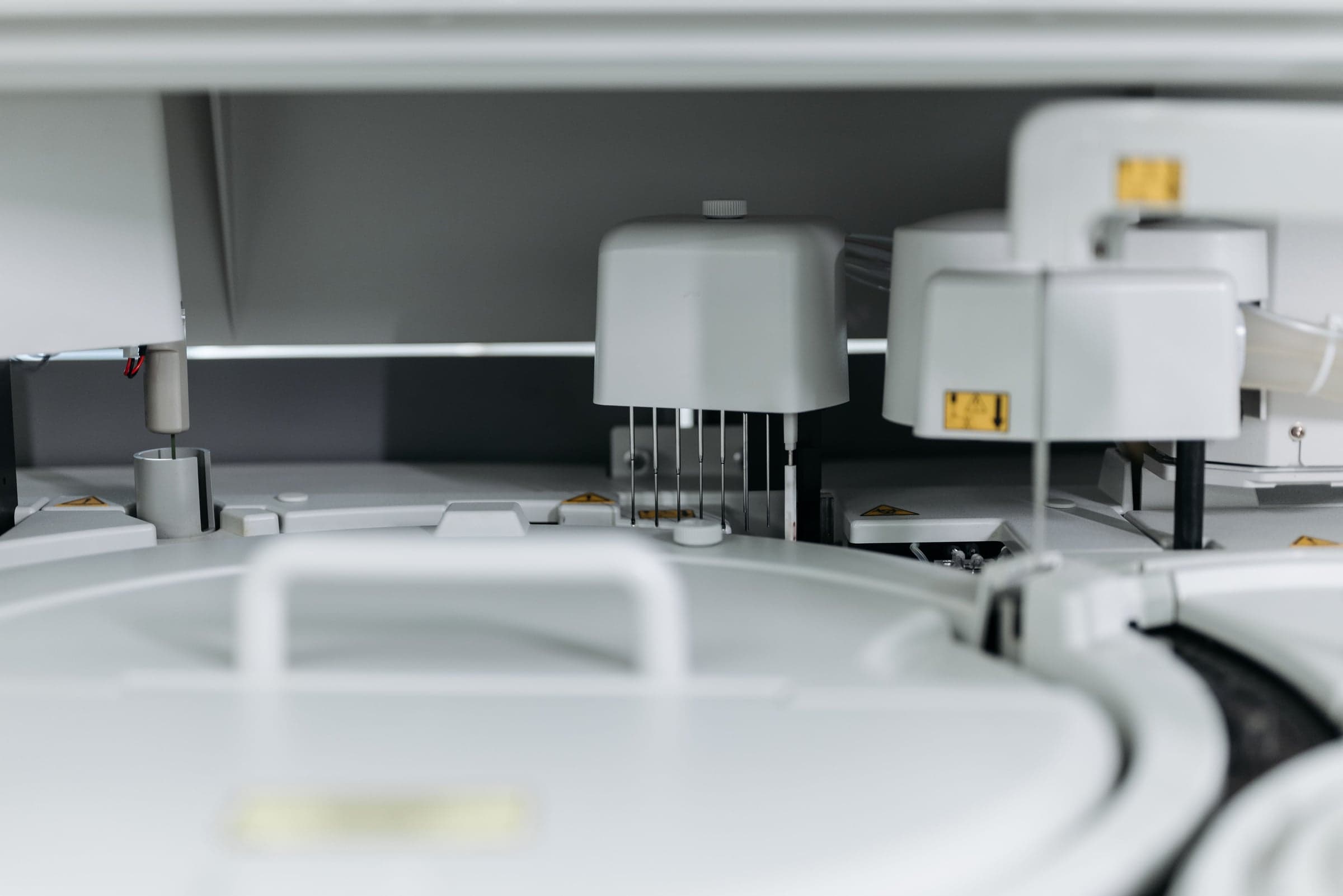
MedTech & HealthTech
Forschungszulage for medical technology and digital health: eligible projects, R&D versus regulatory work. Recover 25%, or 35% for SMEs, of eligible R&D costs.
View industry page →
Construction
Forschungszulage for construction companies: eligible projects from concrete formulations to AI scheduling, claimable costs and how it differs from ZIM, KfW and state programs.
View industry page →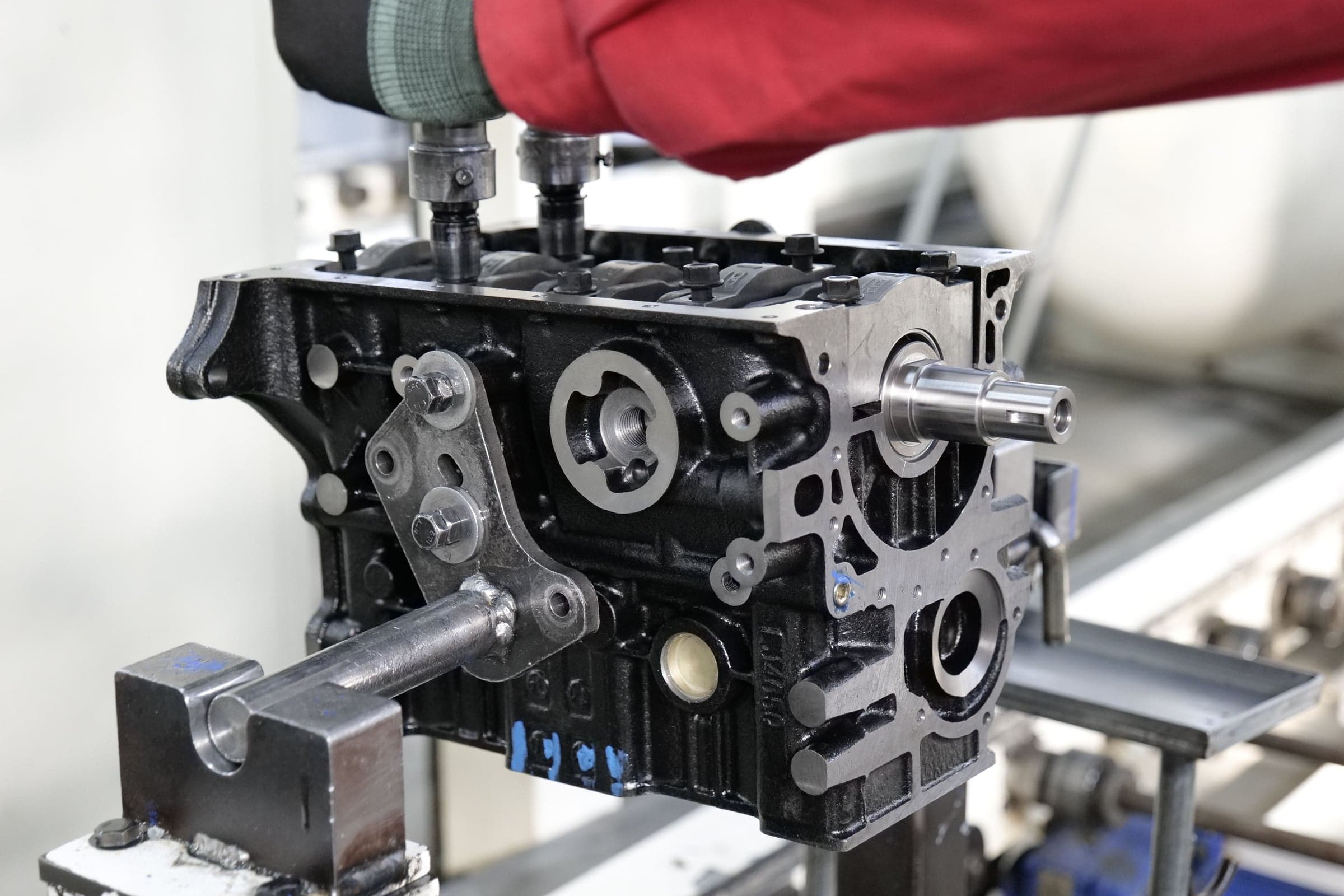
Automotive
Forschungszulage for automotive suppliers: what is eligible, how to separate series launch and OEM contracts. Recover 25%, or 35% for SMEs, of eligible R&D costs.
View industry page →
Defense tech & dual-use
Forschungszulage for defense tech and dual-use: why the FZulG is technology-neutral, and how secrecy, dual-use demarcation and public procurement contracts play out in the application. 25%, 35% for SMEs.
View industry page →