



Forschungszulage for software and AI companies: fund your R&D without giving up equity
System architecture, scaling under load, model and retrieval quality, robust data and MLOps pipelines: in software and AI teams the development work sits with people, not in a lab. That is exactly where the Forschungszulage has the most impact, returning 25% of your eligible R&D costs, or 35% for SMEs. It applies retroactively for up to 4 years and works even if you are not yet profitable.
- success-based
- 100%success-based
- retroactive
- 4 yearsretroactive
- success rate of our applications
- 95 %success rate of our applications
Software accounts for the most applicants
The BSFZ numbers dispel the idea that the Forschungszulage is for lab research: most of the companies applying come from IT services.
Applicant companies
have submitted 63,718 projects to the BSFZ up to 30 June 2026
Of them from IT services
the largest sector, ahead of mechanical engineering with 3,069 companies
Applicants in electronics & optics
plus almost as many (1,174) from information services
Micro companies
plus 31% small companies, startups are not a fringe group
As of: BSFZ statistics, data as of 30 June 2026 (retrieved 26 August 2026). Success rates: BMBF letter of 24 June 2024, as of May 2024.
Success rate compared
Product, process and software innovation are therefore a central driver of the Forschungszulage. But a large sector share does not mean applications are waved through: roughly a quarter of all projects are rejected, usually because novelty and uncertainty are argued too weakly, the systematic approach is not visible, or the line between routine work and R&D stays blurred. In software and AI projects, that is exactly what tends to happen.
For software and IT service providers the allowance works even more strongly than in manufacturing, according to the 2026 evaluation report: R&D spending of funded service companies rises by around a quarter, and R&D headcount and R&D staff ratio grow 4 to 5 percentage points more than in the manufacturing sector.Report p. 136Evaluation report · BT-Drs. 21/7999 · p. 136 (original German): „Für Dienstleistungsunternehmen mit positiv beschiedenem Antrag steigt das FuE-Ausgabenniveau in relativen Größenordnungen um rund ein Viertel. Parallel dazu nehmen FuE-Personal und FuE-Beschäftigtenquote um etwa 4–5 Prozentpunkte stärker zu als bei förderaktiven Unternehmen im produzierenden Bereich.“ And companies that have not used direct project grants such as ZIM so far build up, on average, considerably more additional R&D staff after applying than directly funded companies.Report p. 136Evaluation report · BT-Drs. 21/7999 · p. 136 (original German): „Auf Basis des MIP und der BSFZ-Daten zeigt sich, dass Unternehmen ohne direkte Projektförderung nach Einführung der Zulage im Durchschnitt deutlich mehr zusätzliche FuE-Beschäftigte aufbauen als direkt geförderte Unternehmen. Insgesamt sprechen diese Befunde für ein klar heterogenes Wirkungsprofil, bei dem insbesondere kleine, weniger FuE-intensive sowie dienstleistungsorientierte Unternehmen und Betriebe ohne direkte Förderung überproportional von der Forschungszulage profitieren.“
All original quotes from the sources (2)
Verbatim quotes, in the original language, from the linked primary sources. Each reference links to the original.
„Für Dienstleistungsunternehmen mit positiv beschiedenem Antrag steigt das FuE-Ausgabenniveau in relativen Größenordnungen um rund ein Viertel. Parallel dazu nehmen FuE-Personal und FuE-Beschäftigtenquote um etwa 4–5 Prozentpunkte stärker zu als bei förderaktiven Unternehmen im produzierenden Bereich.“
p. 136„Auf Basis des MIP und der BSFZ-Daten zeigt sich, dass Unternehmen ohne direkte Projektförderung nach Einführung der Zulage im Durchschnitt deutlich mehr zusätzliche FuE-Beschäftigte aufbauen als direkt geförderte Unternehmen. Insgesamt sprechen diese Befunde für ein klar heterogenes Wirkungsprofil, bei dem insbesondere kleine, weniger FuE-intensive sowie dienstleistungsorientierte Unternehmen und Betriebe ohne direkte Förderung überproportional von der Forschungszulage profitieren.“
p. 136
Which software and AI projects are eligible
The industry is not what decides it, the BSFZ's three assessment criteria are. “We build software” or “we work with AI” is not enough; genuine technical advancement at the core of the project is. What sits behind the individual characteristics:
Reliable, GDPR-compliant agents
Agents and chatbots for document and customer processes whose reliability and data protection requirements cannot be met with standard solutions.
Retrieval and RAG quality
New methods for retrieval, hallucination reduction, guardrails and evaluation, where your target metrics are out of reach with standard RAG.
Data, labelling, synthetic data
Technically novel approaches to data preparation, labelling and synthetic data, including privacy by design.
MLOps under real-world conditions
Robust deployments, monitoring, drift detection and safe model updates whose behaviour can only be measured in operation.
Specialised models for regulated domains
Models and algorithms for industrial, medical, legal or finance applications with demonstrable technical hurdles.
Scaling and performance
Architecture work where latency, throughput or cost per request are technically uncertain under real-world load.
Distributed systems and data processing
Event-driven architectures and real-time or high-volume data processing where consistency, throughput and resilience only emerge from how the components interact.
Algorithms for complex domain logic
Optimisation, planning or simulation at the core of your software, where standard methods fail on runtime, accuracy or problem size.
Interfaces with real technical risk
Integrations into undocumented legacy, machine or line-of-business systems where reliable synchronisation and data consistency are technically open. Standard API integrations do not count.
Not sure whether your project goes beyond the state of the art? A short call clears that up, 5 minutes are enough for a first assessment.
Check eligibility in a call4 success factors for software projects: how the review thinks
These four points most often decide whether the BSFZ classifies a software project as R&D. The reviewers are engineers, so the more concretely your application answers them, the better.
- 1
Separate innovation from routine work
Customization programming, migrations without a new technical approach, porting, standard integrations, debugging and maintenance do not count. It becomes eligible when you combine methods in a new way, measurably push technical parameters such as latency, accuracy or robustness beyond the state of the art, or enable a function that standard solutions cannot reach.
- 2
Both the goal and the path are new
A common mistake: the product is new to your company, but the technical path to it is standard. The review asks where you enter technological new territory, meaning which new approach or new combination of proven approaches carries your project.
- 3
Name technical risks precisely
"Complexity" or "the AI hallucinates" is not enough. Describe the risks along the solution path and tie them to target values: response times, error rates, throughput, stability under load or prediction confidence, ideally including conflicting targets such as accuracy versus performance.
- 4
Show a plan, not just Scrum
Agile work is normal. What the review also wants is a traceable work plan with work packages that shows how you reduce the uncertainties step by step, and a defined project end, often the first functional prototype. Rollout, regular operation and maintenance are no longer part of it.
Which costs count for software and AI teams
In software and AI companies, most eligible costs are engineering, data and ML time. That is why the Forschungszulage has such a strong effect here, long before significant revenue comes in.
- Personnel costs
- 100% claimable: data, ML, engineering, proportional to time spent in the R&D project
- Contract research
- 70% of the fee for external R&D contracts (for expenditure up to 27.03.2024: 60%), contractors based in the EU/EEA. It does not apply to contractors outside the EEA
- Overhead flat rate
- A 20% flat rate on direct project costs, for projects starting in 2026 or later
- Own contributions
- €100/h for work from 2026 (until the end of 2025: €70/h), for sole traders and partners, max. 40 hours per week
- Funding rate
- 25% of eligible expenditure, 35% for SMEs
- Assessment base
- Up to €12 million per year from 2026 (28.03.2024 to the end of 2025: €10 million, before that €4 million); retroactive applications are capped at the limits in force at the time
- Even without a tax burden
- The allowance is credited via the tax assessment and can effectively result in a payout. How it plays out exactly depends on the individual case
Common doubts
The doubts that hold software and AI teams back
What we hear again and again in first calls with software and AI teams, and what actually applies:
“We only build software, that is not research.”
Software development with an open technical outcome is the normal case for the Forschungszulage, not the exception: IT services are the largest group of applicants, ahead of mechanical engineering. What matters is not the label on your product, but whether there is a technical uncertainty at its core.
“We work with existing models and libraries, that cannot be eligible.”
You do not have to start from zero. What counts is the technical uncertainty at the core: robustness in edge cases, error rates below what standard components deliver, data protection requirements existing solutions do not meet, scaling under real-world conditions. Plus target values that make it measurable.
“We have no research department and no PhDs on the team.”
Eligibility depends on the project, not on your org chart. A third of all applicants are micro-enterprises, and what gets counted is the R&D time of your existing team, including proportionally alongside product work.
Do you recognise yourself in one of these sentences? Then let's clarify in a call what actually counts in your case.
Check your eligibility in a call8 benefits
Why is the Forschungszulage a good funding option?
Compared to traditional funding programmes, the Forschungszulage is the better choice for most companies.
- 1
Legal entitlement
No competition for budgets: if the criteria are met, funding must be granted.
- 2
Up to 4 years retroactive
Even completed projects can still be funded.
- 3
Open to all industries
Software, mechanical engineering, MedTech, construction: R&D is R&D, whatever the industry.
- 4
Even without profit
No tax burden needed, the allowance is paid out as a credit.
- 5
Less bureaucracy
No upfront project plan, no interim reports, no proof of use.
- 6
Fully digital process
Application via BSFZ portal and ELSTER, no paper, no postal mail.
- 7
Thematically open
No rigid topic catalogue: product development, process innovation, everything counts.
- 8
Broad cost base
Personnel costs, contract research and capital assets are eligible.
A finished application in 4 calls
You do not need an internal funding project. We identify which parts of your model and system development are eligible, allocate development time proportionally, and draft the application so it holds up to the BSFZ review. Your effort: 4 calls, less than 5 hours in total.
- 01
Finance Checklist
30 min
We clarify which documents you need, as a company-specific checklist. You get the documents from your tax advisor, nothing more to do on your side.
- 02
Finance Review
30 min
We structure your data ourselves (employees, salaries, contractors), run the numbers on your payroll journal and sort out clearly ineligible items such as routine work or contractors outside the EEA right away. For you, it's just review.
- 03
Product & Innovation
45 min
We identify your innovation projects, assign employees by percentage, and discuss novelty and technical risk.
- 04
Final Review & Submission
30 min
You get an async review upfront. If everything checks out, we submit the BSFZ application — otherwise we use call 4 as a deeper product call.
From real projects
Real projects from this industry, with the funding amounts that were actually approved.
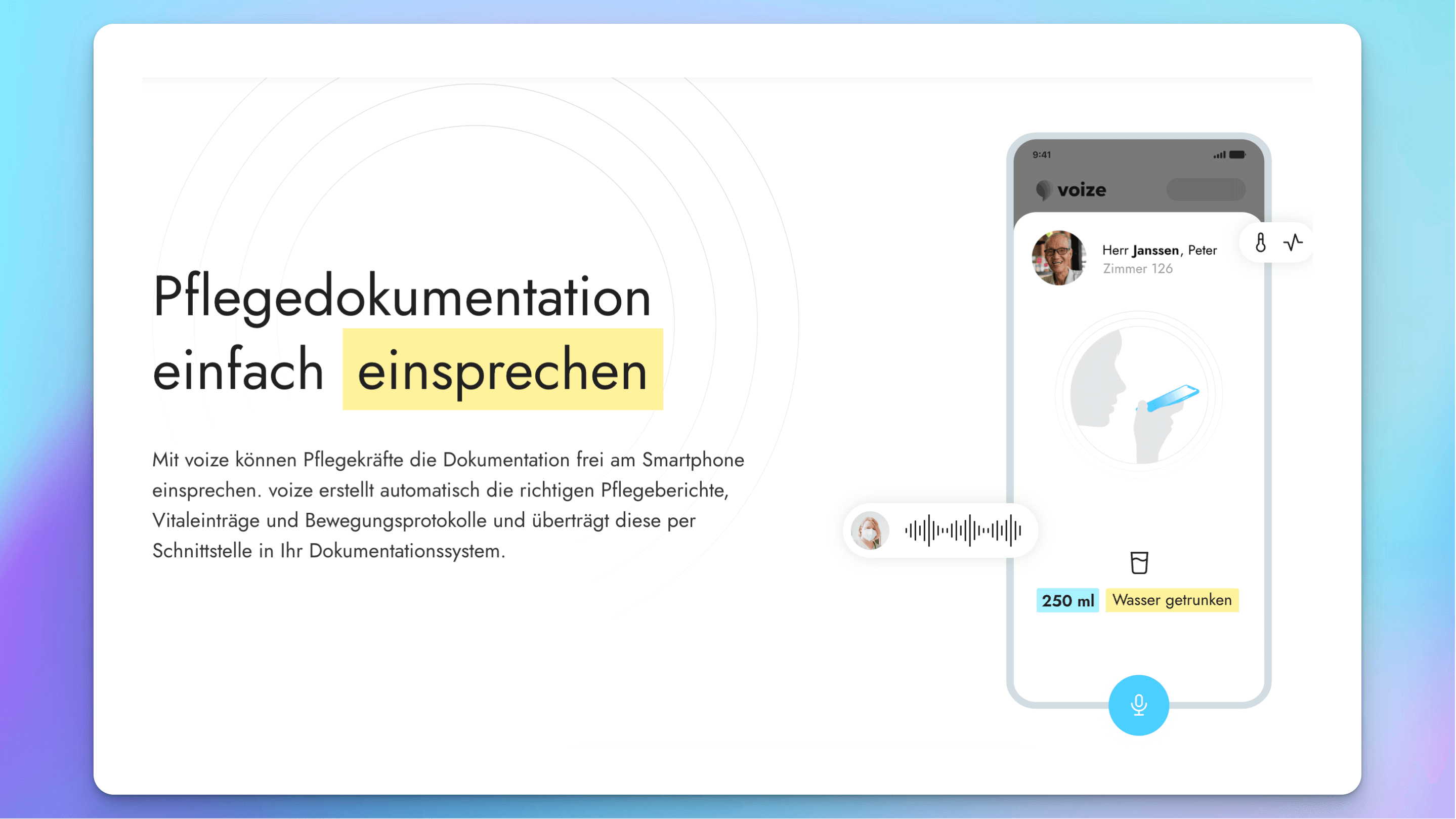
AI-powered voice documentation for nursing care. 315,000€ in Forschungszulage for advancing their AI models.
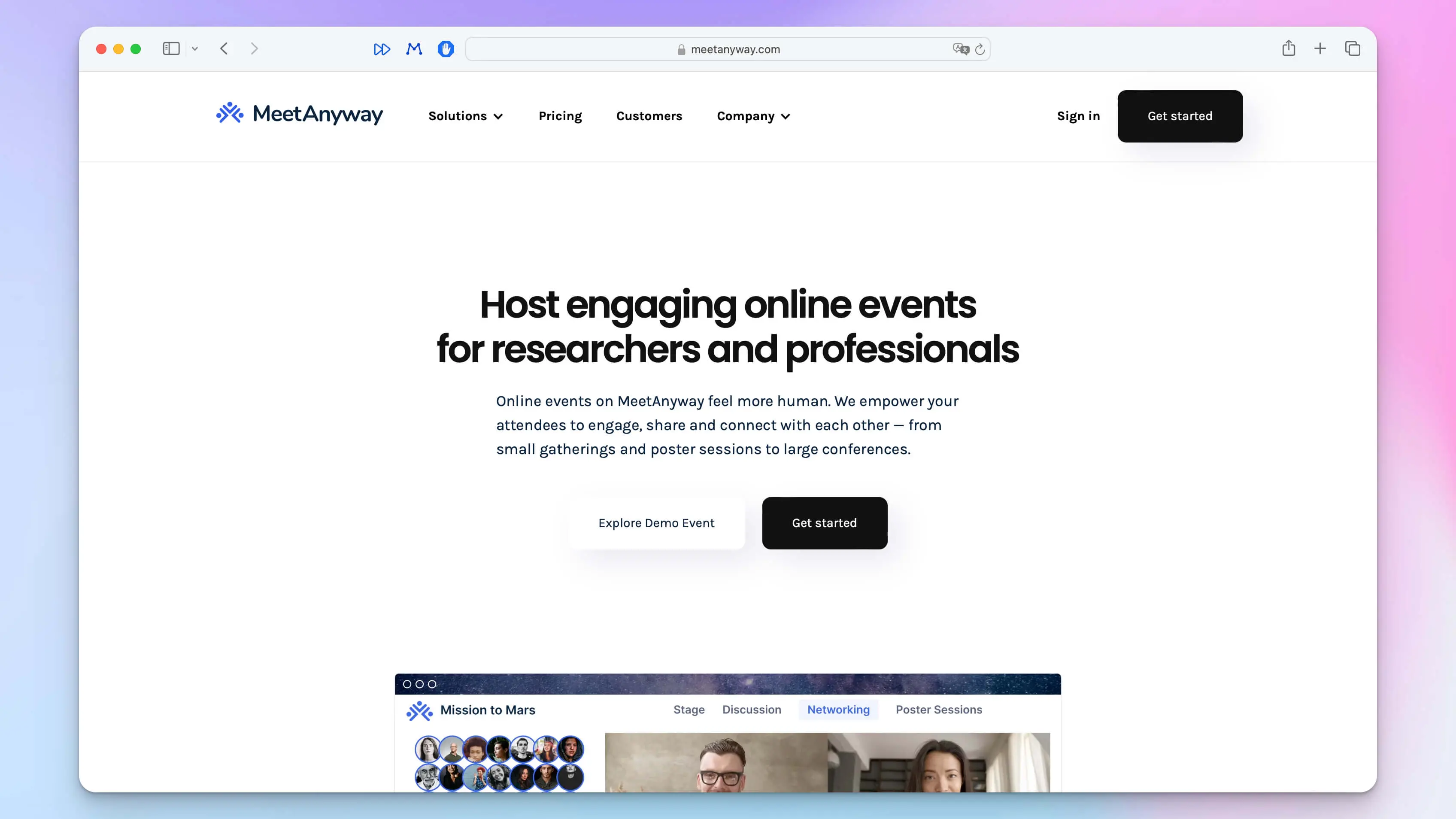
Event platform for real-time interactions with thousands of participants. 167,000€ for advancing their technology.
Common questions from software and AI teams
Talk to people who understand your stack
In a first call we clarify which of your software and AI projects go beyond the state of the art and which costs you can realistically claim. 5 minutes are enough for a first assessment, without your engineers losing days to it.
More industries
Eligible R&D looks different in every industry. Here is what counts in the other sectors.
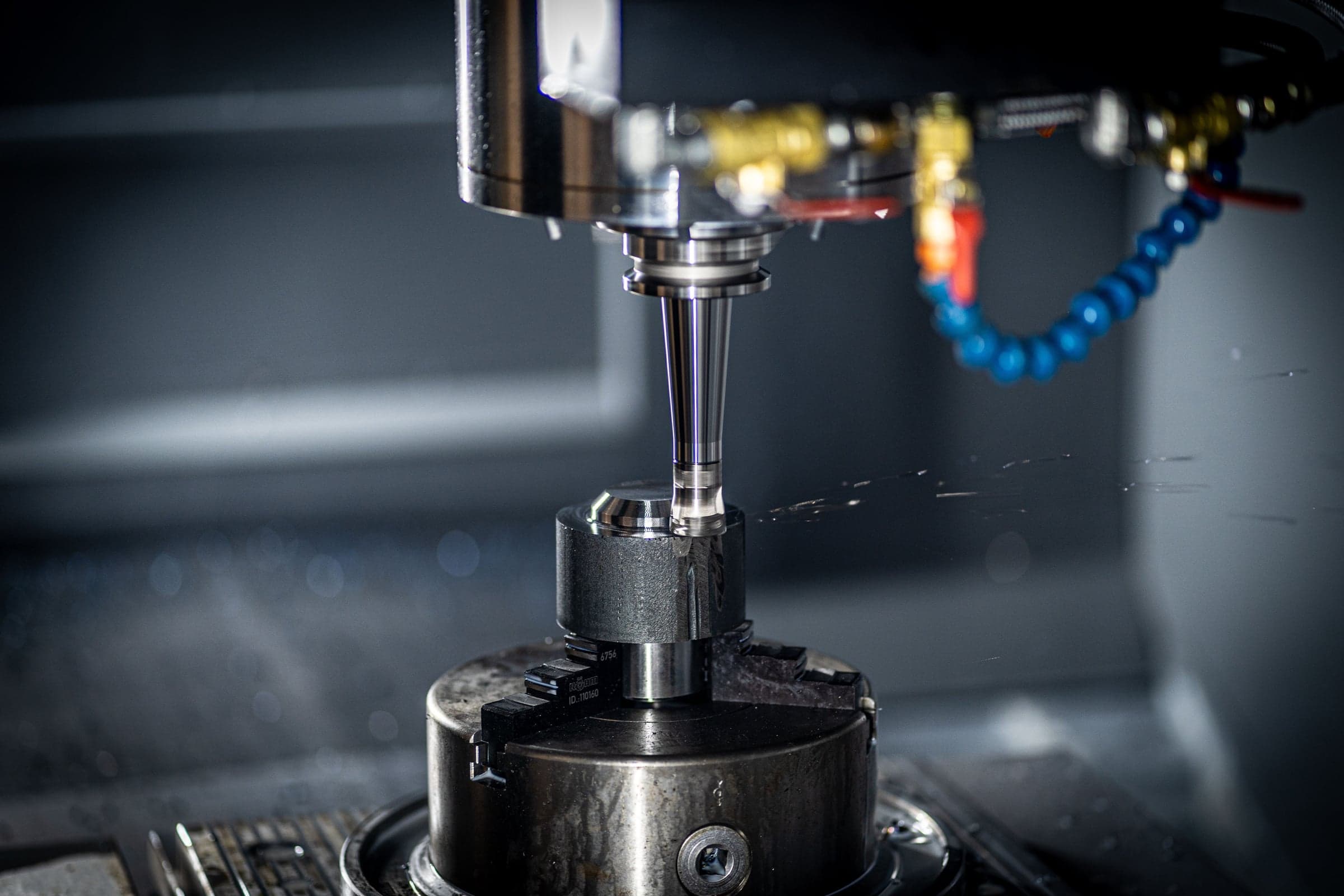
Mechanical engineering
Forschungszulage for mechanical and plant engineering: eligible projects, cost types, common pitfalls. Recover 25%, or 35% for SMEs, of your eligible R&D costs.
View industry page →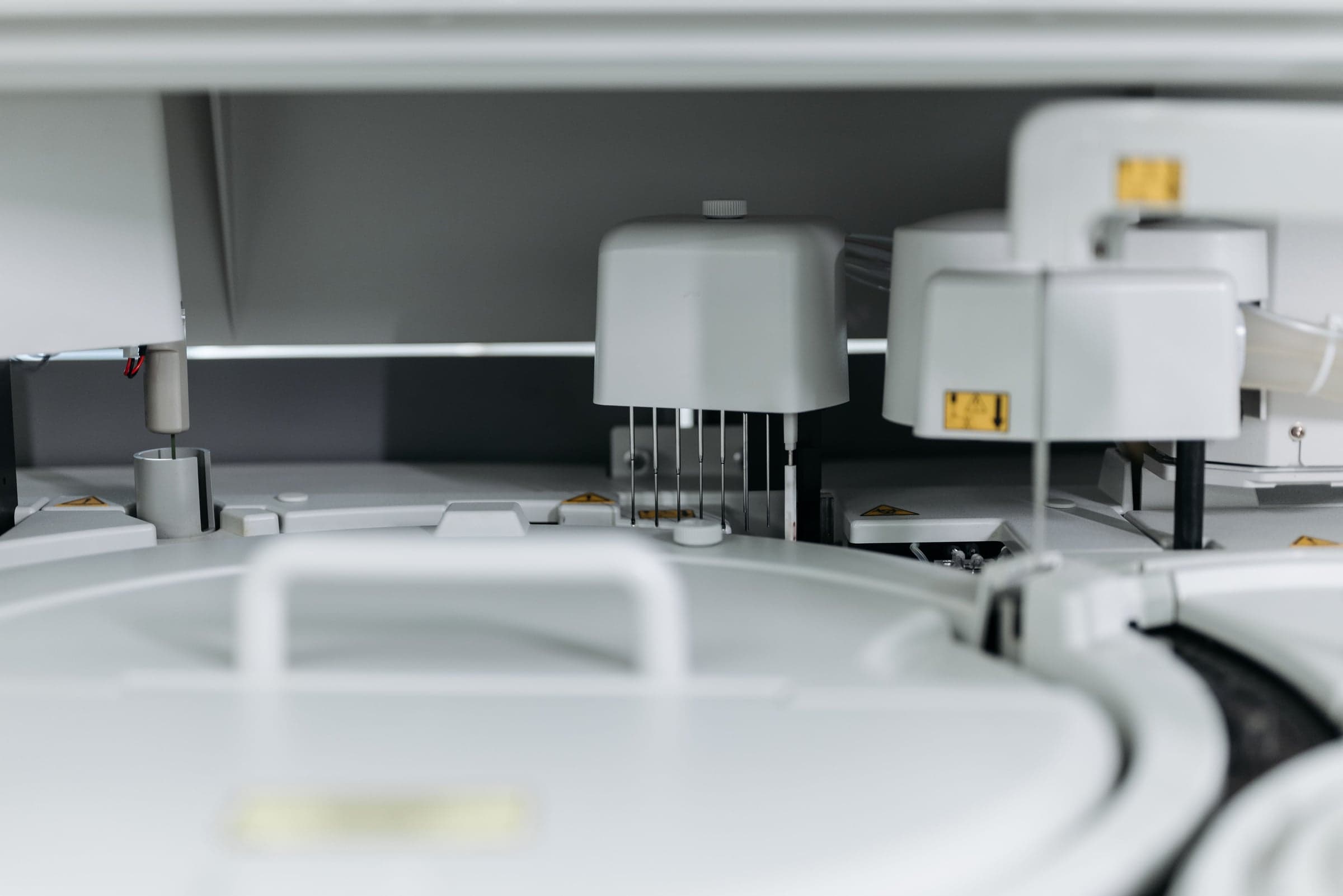
MedTech & HealthTech
Forschungszulage for medical technology and digital health: eligible projects, R&D versus regulatory work. Recover 25%, or 35% for SMEs, of eligible R&D costs.
View industry page →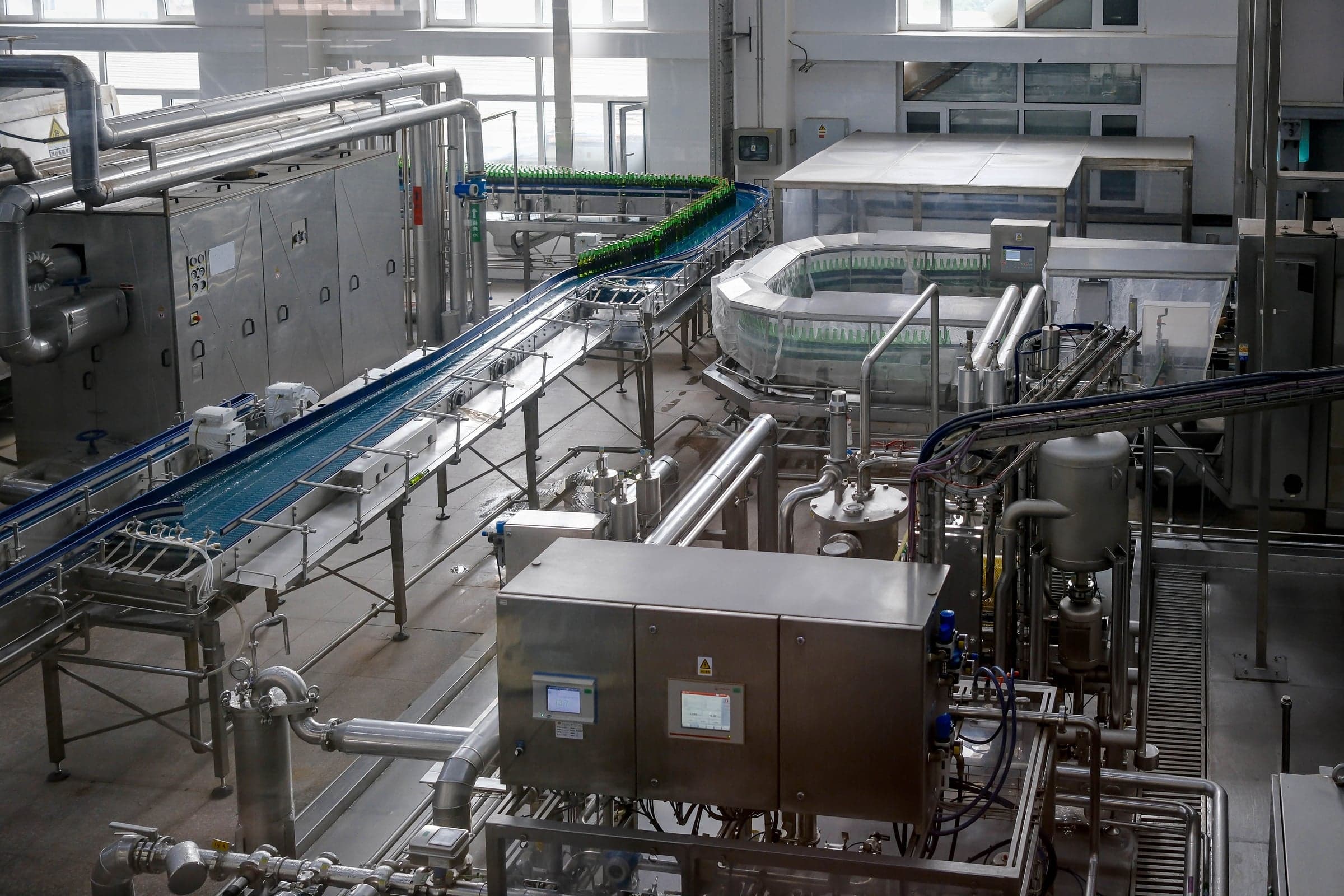
Food industry
Forschungszulage for food manufacturers: eligible recipe, process and packaging development. Recover 25%, or 35% for SMEs, of your eligible R&D costs.
View industry page →
Construction
Forschungszulage for construction companies: eligible projects from concrete formulations to AI scheduling, claimable costs and how it differs from ZIM, KfW and state programs.
View industry page →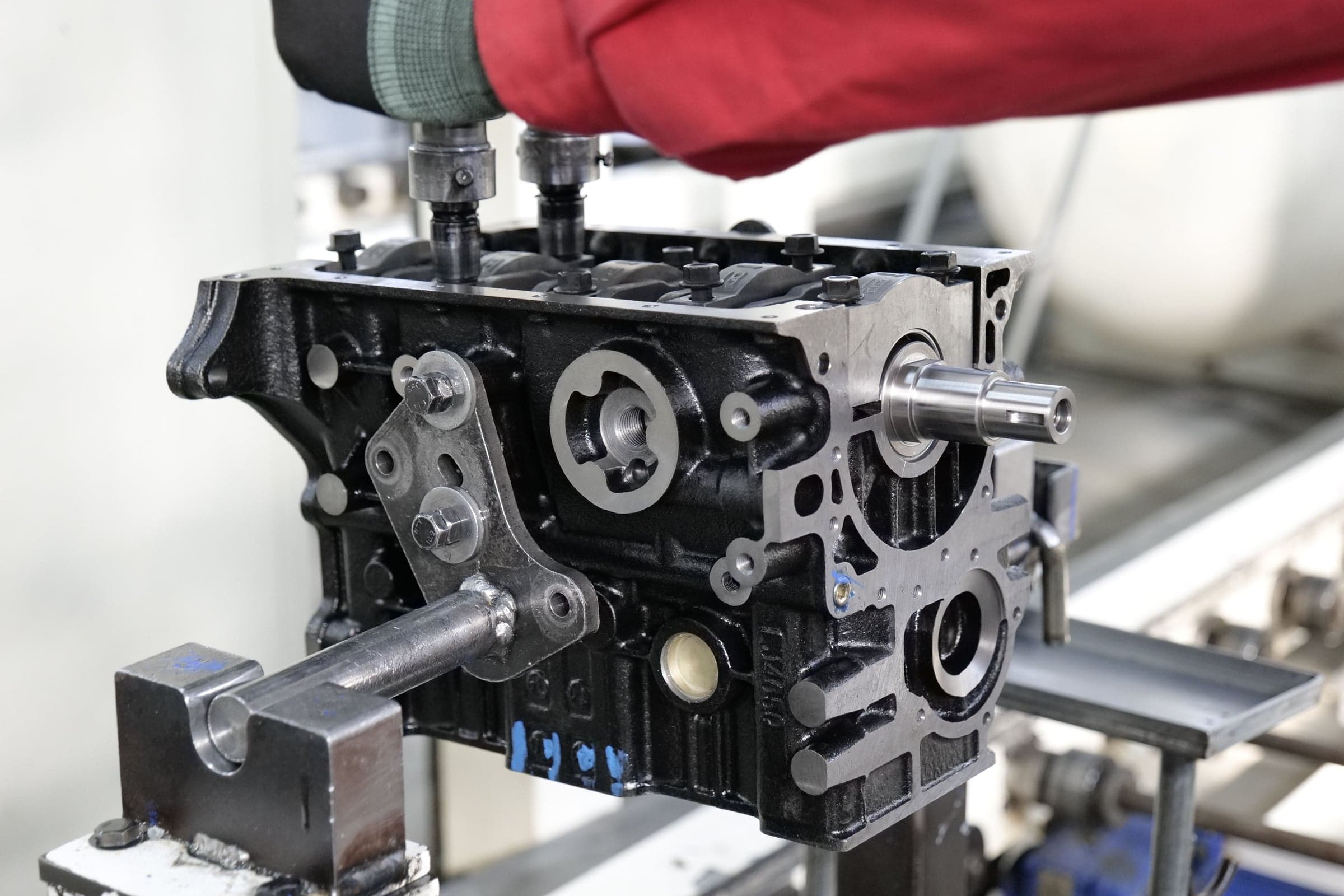
Automotive
Forschungszulage for automotive suppliers: what is eligible, how to separate series launch and OEM contracts. Recover 25%, or 35% for SMEs, of eligible R&D costs.
View industry page →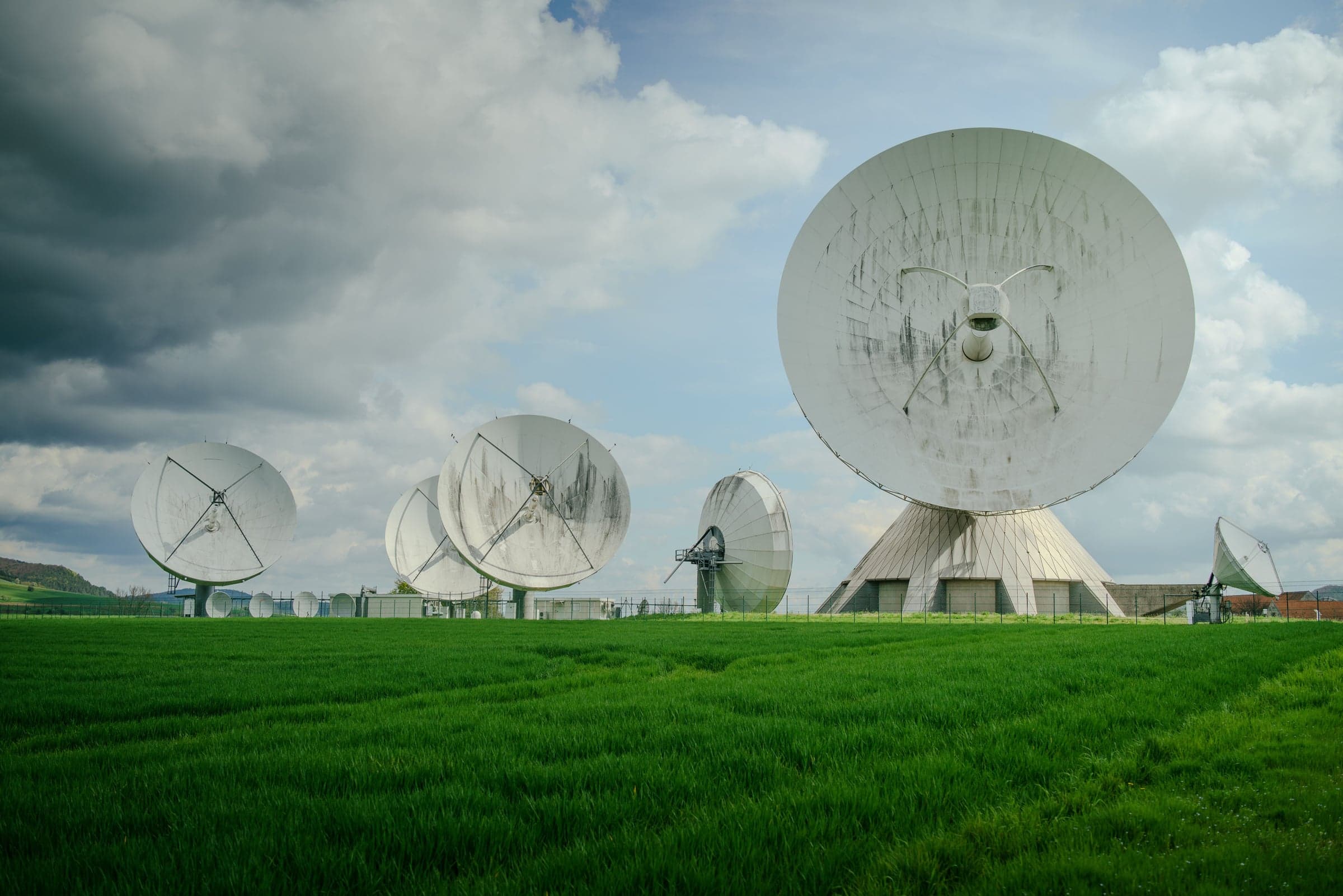
Defense tech & dual-use
Forschungszulage for defense tech and dual-use: why the FZulG is technology-neutral, and how secrecy, dual-use demarcation and public procurement contracts play out in the application. 25%, 35% for SMEs.
View industry page →