


Forschungszulage for MedTech & HealthTech: fund the R&D, separate the regulatory work
Implants, sensors, AI diagnostics, interoperability: in MedTech and HealthTech the expensive work sits in iterations, validation and interfaces, not in the label on the product. That is exactly the work the Forschungszulage funds, at 25% of eligible R&D costs, or 35% for SMEs. The craft lies in demarcating development from approval and compliance work. We handle the BSFZ application, you invest less than 5 hours across 4 calls.
- funding rate for SMEs
- 35%funding rate for SMEs
- success-based
- 100%success-based
- success rate of our applications
- 95 %success rate of our applications
What counts as eligible in MedTech and HealthTech
What matters is never the label (“AI”, “MedTech”, “digital”) but the question of which technical uncertainty you resolve systematically, and how you make that demonstrable. That is exactly what the BSFZ assesses, against three criteria. What the individual characteristics mean:
Medical devices and implants
New implants, materials or surface structures whose behaviour in use only becomes reliable through systematic test series.
Miniaturised sensors
Sensors at the limit of size, signal quality and power budget, where it is open whether the required measurement accuracy is achievable.
AI-assisted diagnostics
Image and signal analysis where detection rate, robustness and bias can only be settled against real clinical data.
Interoperability and interfaces
Connecting to HIS, PMS and devices where genuine technical risk sits behind it. Wiring up a standard API on its own does not qualify.
Digital care solutions
Telemedicine, digital therapy support or patient management with new decision logic and data-driven models, rather than plain implementation.
Manufacturing and testing processes
Production or test procedures for medical devices whose process window and reproducibility you still have to work out.
Not sure where the line between development and regulatory work runs in your case? That is exactly what we sort out in a call, 5 minutes are enough for a first assessment.
Clarify the scope in a callWhich costs you can claim
In MedTech and HealthTech the effort mostly sits with people: development, data work, validation, integration. From 2026 an overhead flat rate is added — but it comes with a condition.
- Personnel costs
- 100% claimable: development, algorithms, data preparation, testing and validation, proportional to R&D time
- Contract research
- 70% of the fee for external R&D contracts (for expenditure up to 27.03.2024: 60%), e.g. specialist laboratories or development partners, contractors based in the EU/EEA
- Depreciation
- On newly acquired movable assets used exclusively for R&D, e.g. test and measurement equipment (acquired after 27.03.2024)
- Overhead flat rate
- A 20% flat rate on direct project costs, but only for projects starting in 2026 or later. Ongoing projects do not benefit automatically
- Own contributions
- €100/h for work from 2026 (until the end of 2025: €70/h), for sole traders and partners, max. 40 hours per week
- Funding rate
- 25% of eligible expenditure, 35% for SMEs
- Assessment base
- Up to €12 million per year from 2026 (28.03.2024 to the end of 2025: €10 million, before that €4 million); retroactive applications are capped at the limits in force at the time
Common doubts
The typical MedTech misconceptions
Three sentences that come up in almost every first call, and what actually applies:
“We are developing a product, not running a study.”
The Forschungszulage requires neither a clinical study nor a publication. What is funded is the development work itself, as soon as it resolves an open technical question, in the material, the surface, miniaturisation, sensor technology or an algorithm.
“We build software, that is not research.”
The Forschungszulage is technology-neutral. Algorithm development, robustness and bias work, data preparation and system integration with demonstrable technical risk can be R&D. What is not eligible is UI/UX work and wiring up standard interfaces without technical uncertainty.
“Our development is just adapting to a standard.”
Knowing a standard is routine; hitting its values often is not. If that forces you to redesign material, construction, sensor technology or an algorithm and validate it in testing, that is exactly where the technical uncertainty sits. The regulatory work around it stays out and is cleanly separated in the application.
Do you recognise yourself in one of these sentences? Then let's clarify in a call what actually counts in your case.
Check your eligibility in a call8 benefits
Why is the Forschungszulage a good funding option?
Compared to traditional funding programmes, the Forschungszulage is the better choice for most companies.
- 1
Legal entitlement
No competition for budgets: if the criteria are met, funding must be granted.
- 2
Up to 4 years retroactive
Even completed projects can still be funded.
- 3
Open to all industries
Software, mechanical engineering, MedTech, construction: R&D is R&D, whatever the industry.
- 4
Even without profit
No tax burden needed, the allowance is paid out as a credit.
- 5
Less bureaucracy
No upfront project plan, no interim reports, no proof of use.
- 6
Fully digital process
Application via BSFZ portal and ELSTER, no paper, no postal mail.
- 7
Thematically open
No rigid topic catalogue: product development, process innovation, everything counts.
- 8
Broad cost base
Personnel costs, contract research and capital assets are eligible.
A finished application in 4 calls
You do not need an internal funding project. We cleanly separate eligible development from approval and regulatory work, allocate people and costs, and draft the application so it holds up to the BSFZ review. Your effort: 4 calls, less than 5 hours in total.
- 01
Finance Checklist
30 min
We clarify which documents you need, as a company-specific checklist. You get the documents from your tax advisor, nothing more to do on your side.
- 02
Finance Review
30 min
We structure your data ourselves (employees, salaries, contractors), run the numbers on your payroll journal and sort out clearly ineligible items such as routine work or contractors outside the EEA right away. For you, it's just review.
- 03
Product & Innovation
45 min
We identify your innovation projects, assign employees by percentage, and discuss novelty and technical risk.
- 04
Final Review & Submission
30 min
You get an async review upfront. If everything checks out, we submit the BSFZ application — otherwise we use call 4 as a deeper product call.
From real projects
Real projects from this industry, with the funding amounts that were actually approved.
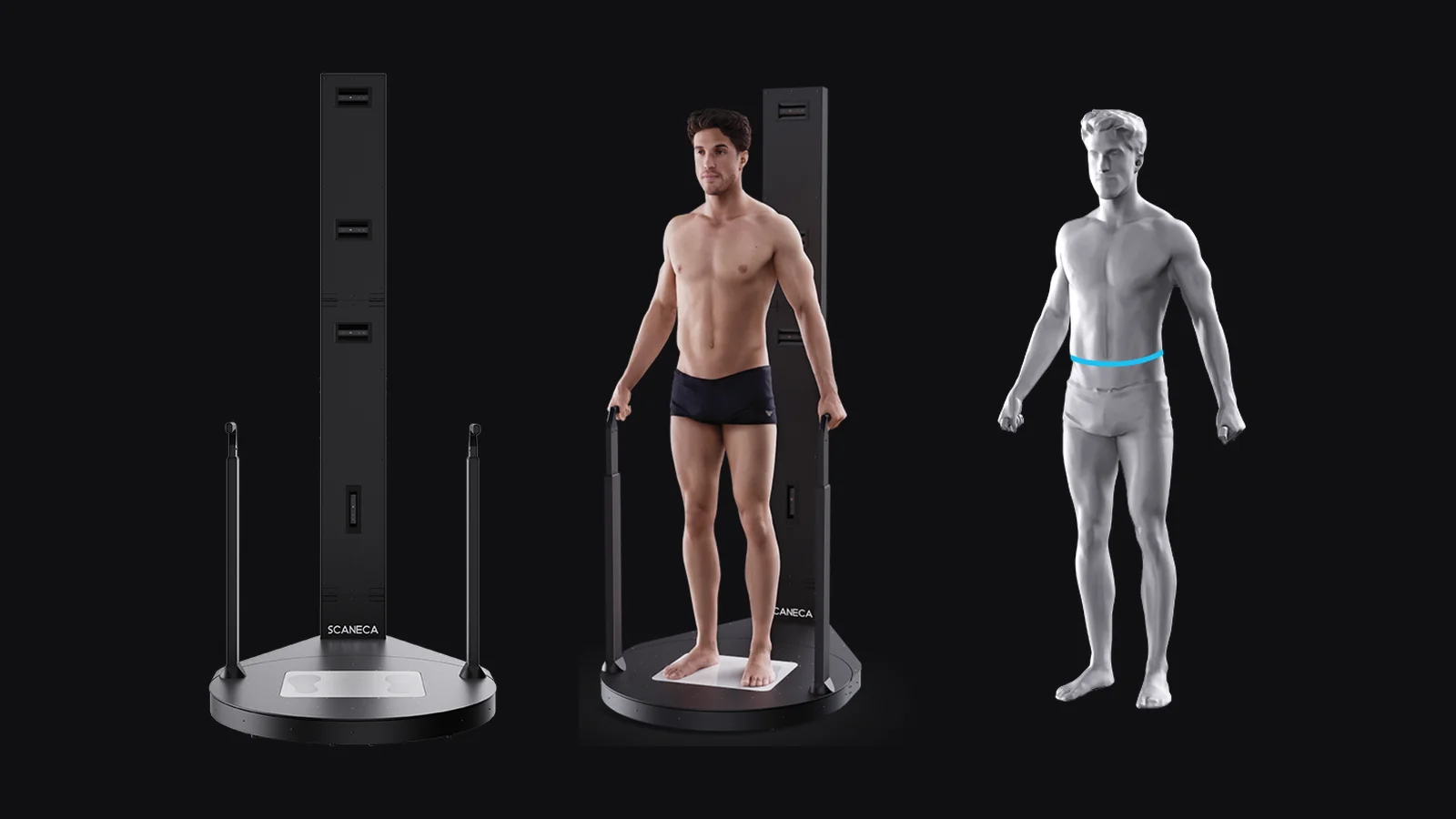
Mobile body scanners: a virtual copy of the body, posture analysis, and health-related parameters in a single measurement process. 280,000€ in Forschungszulage for developing the 3D body scanners.
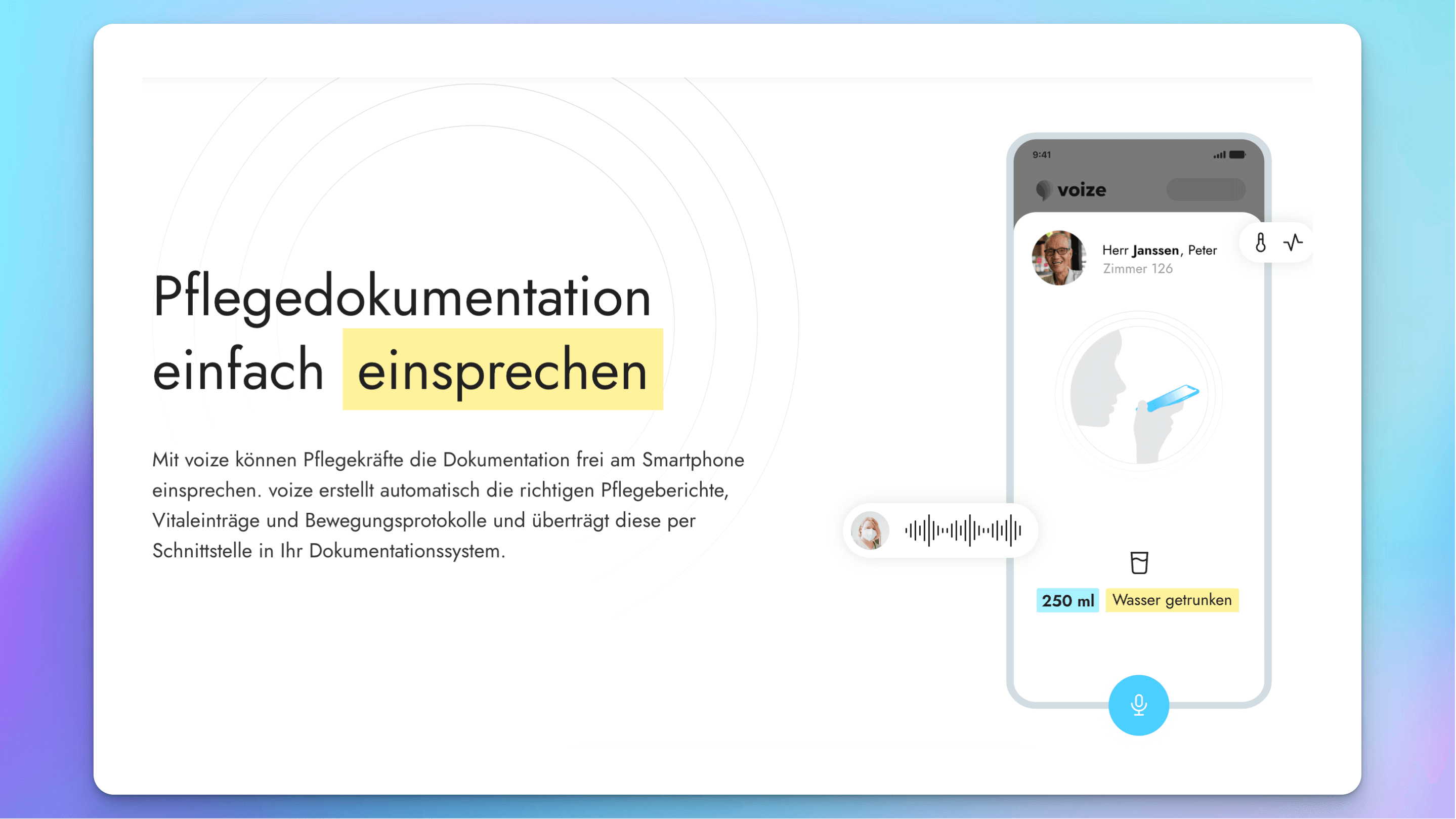
AI-powered voice documentation for nursing care. 315,000€ in Forschungszulage for advancing their AI models.
Common questions from MedTech & HealthTech
First clarify what really is R&D at your company
In a first call we sort your development projects into place: which part is eligible, where the line to approval work runs, and which costs you can realistically claim. 5 minutes are enough for a first assessment.
More industries
Eligible R&D looks different in every industry. Here is what counts in the other sectors.
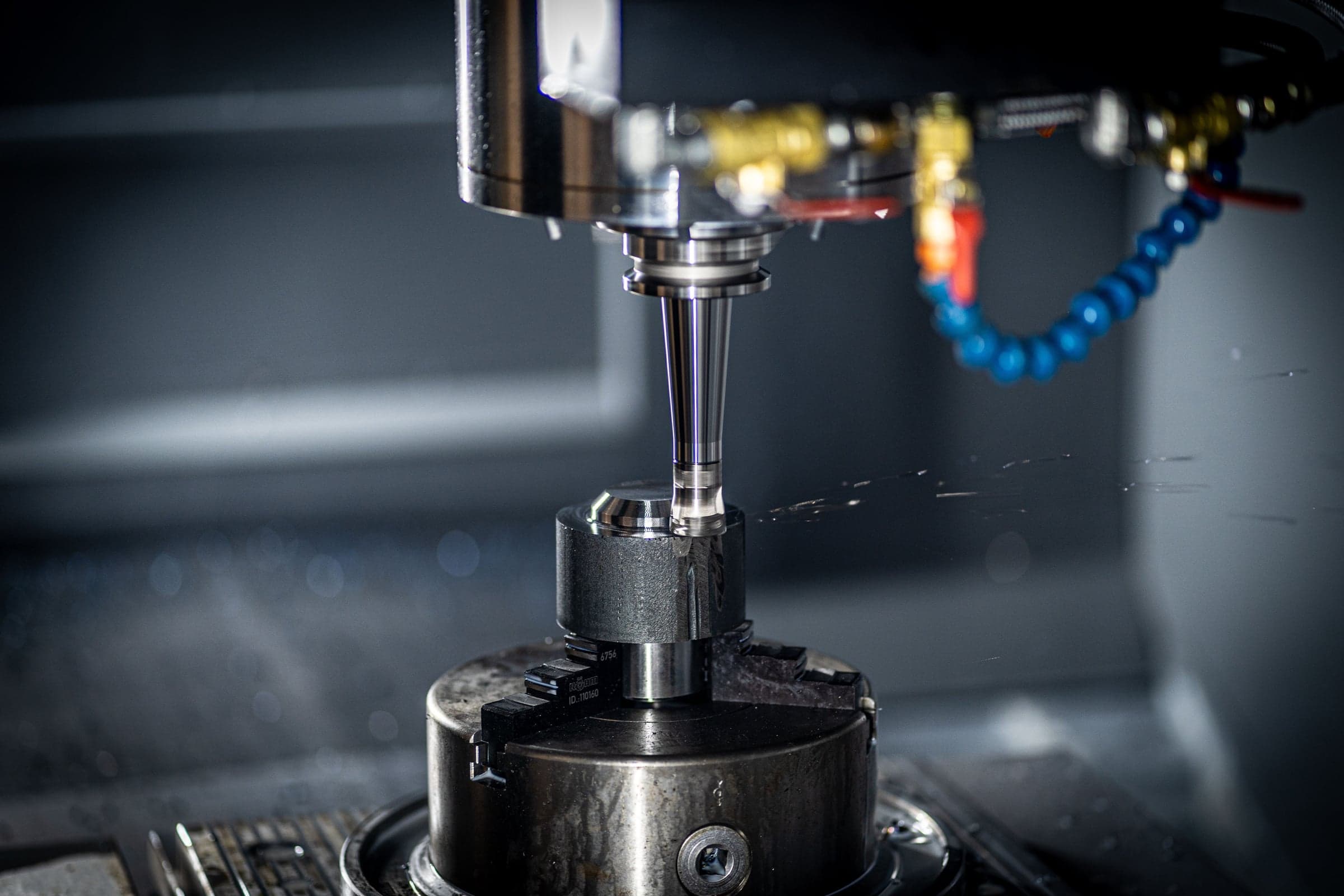
Mechanical engineering
Forschungszulage for mechanical and plant engineering: eligible projects, cost types, common pitfalls. Recover 25%, or 35% for SMEs, of your eligible R&D costs.
View industry page →
Software & AI companies
Forschungszulage for software and AI teams: which projects are eligible and why applications fail. Recover 25%, or 35% for SMEs, of your eligible R&D costs.
View industry page →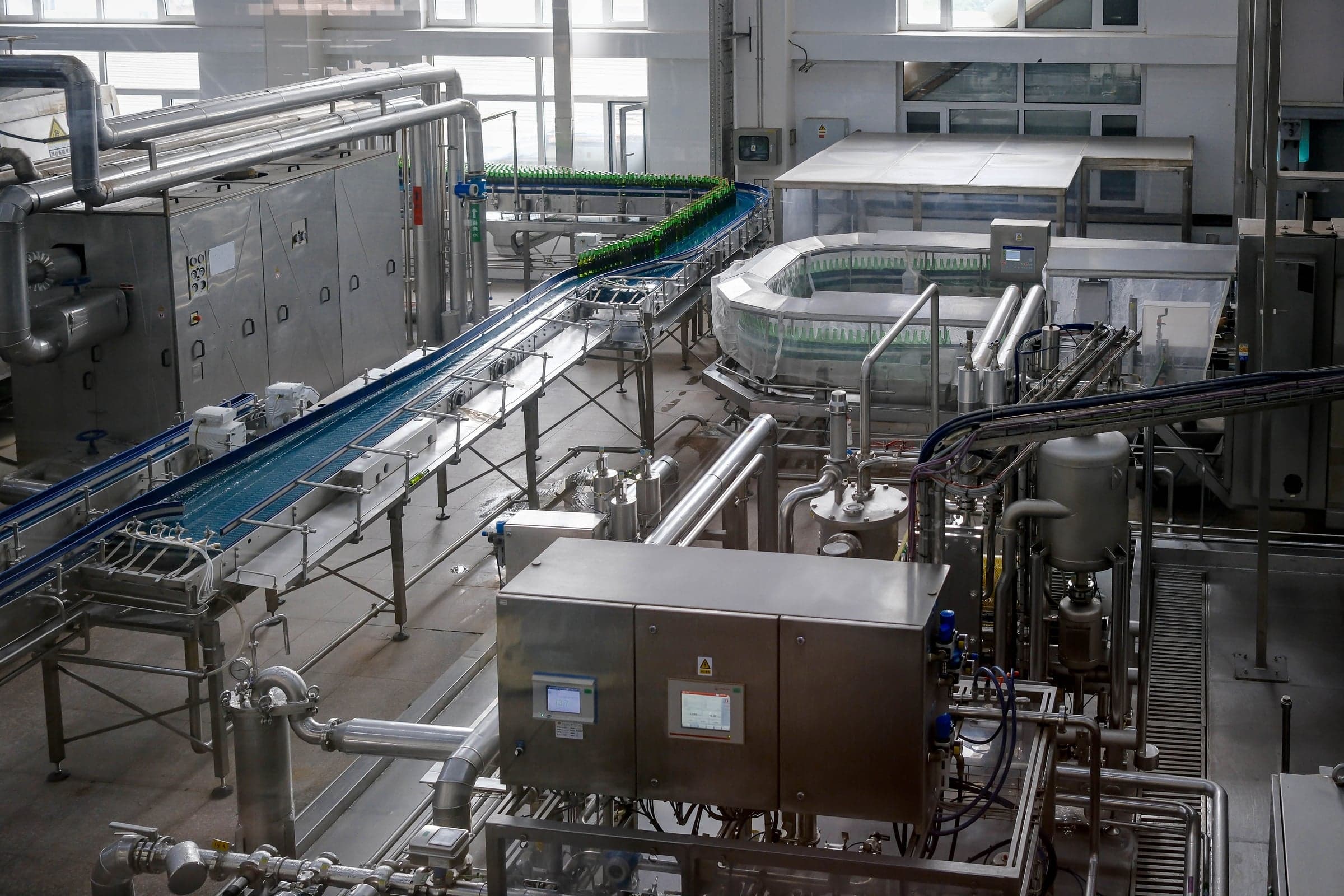
Food industry
Forschungszulage for food manufacturers: eligible recipe, process and packaging development. Recover 25%, or 35% for SMEs, of your eligible R&D costs.
View industry page →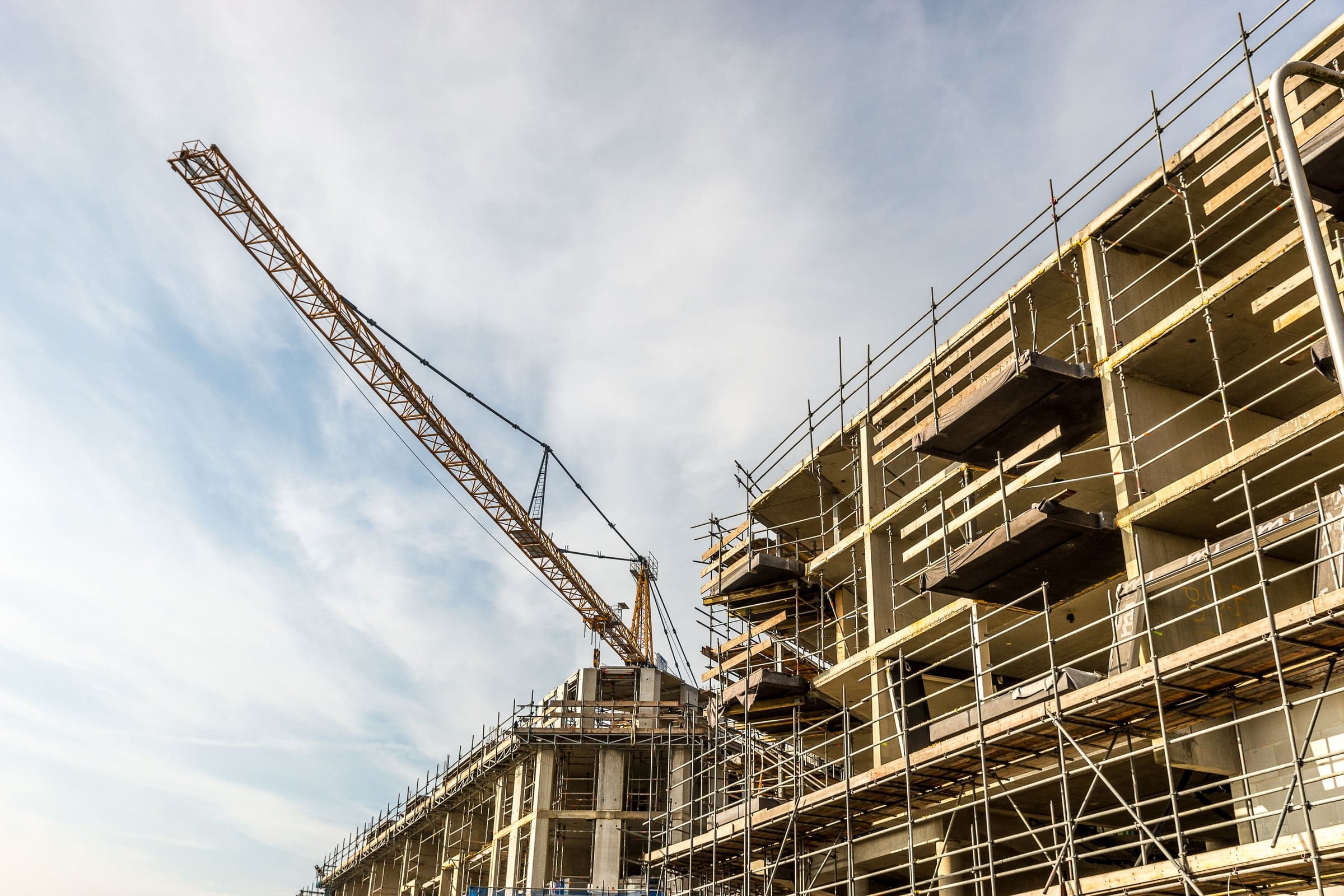
Construction
Forschungszulage for construction companies: eligible projects from concrete formulations to AI scheduling, claimable costs and how it differs from ZIM, KfW and state programs.
View industry page →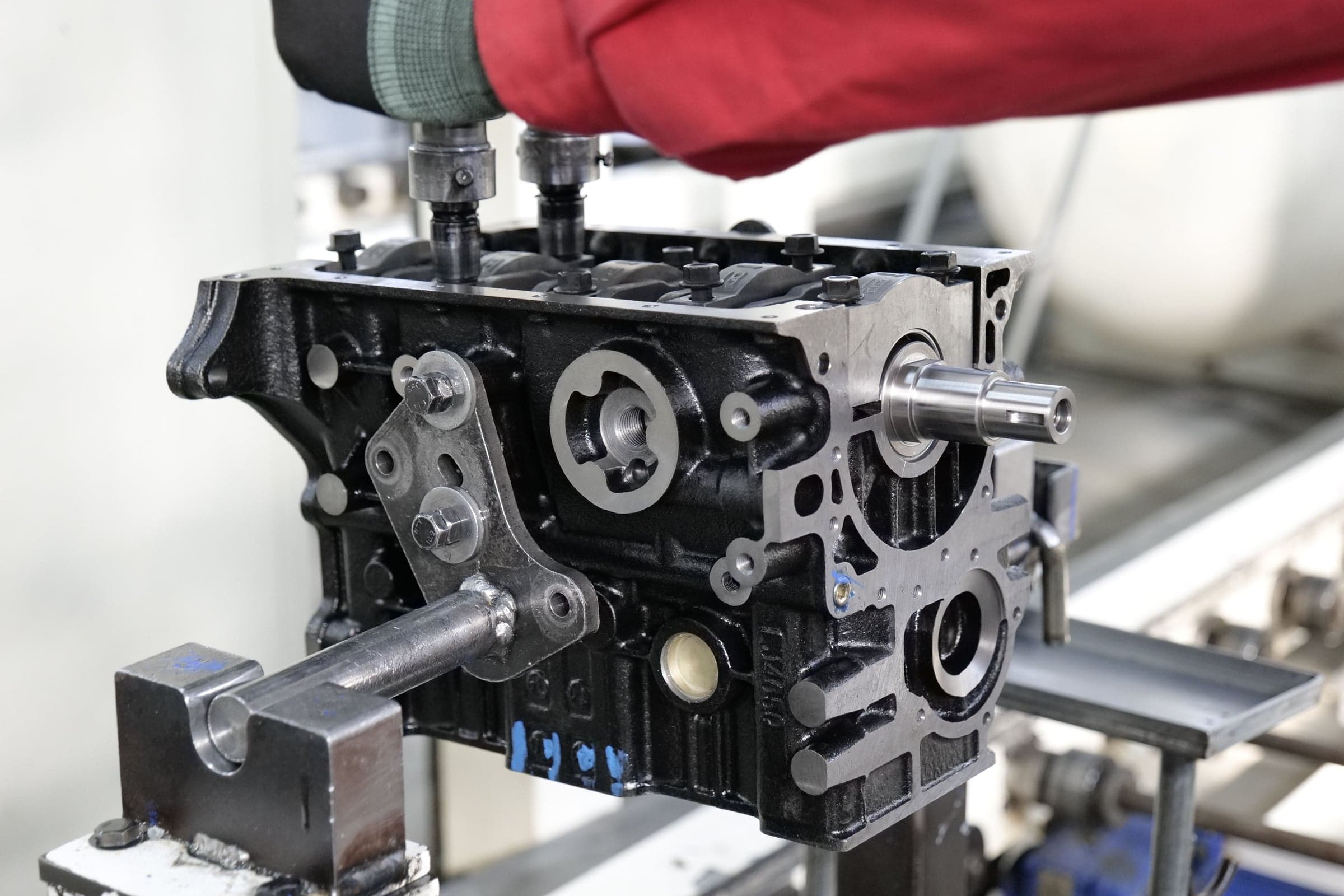
Automotive
Forschungszulage for automotive suppliers: what is eligible, how to separate series launch and OEM contracts. Recover 25%, or 35% for SMEs, of eligible R&D costs.
View industry page →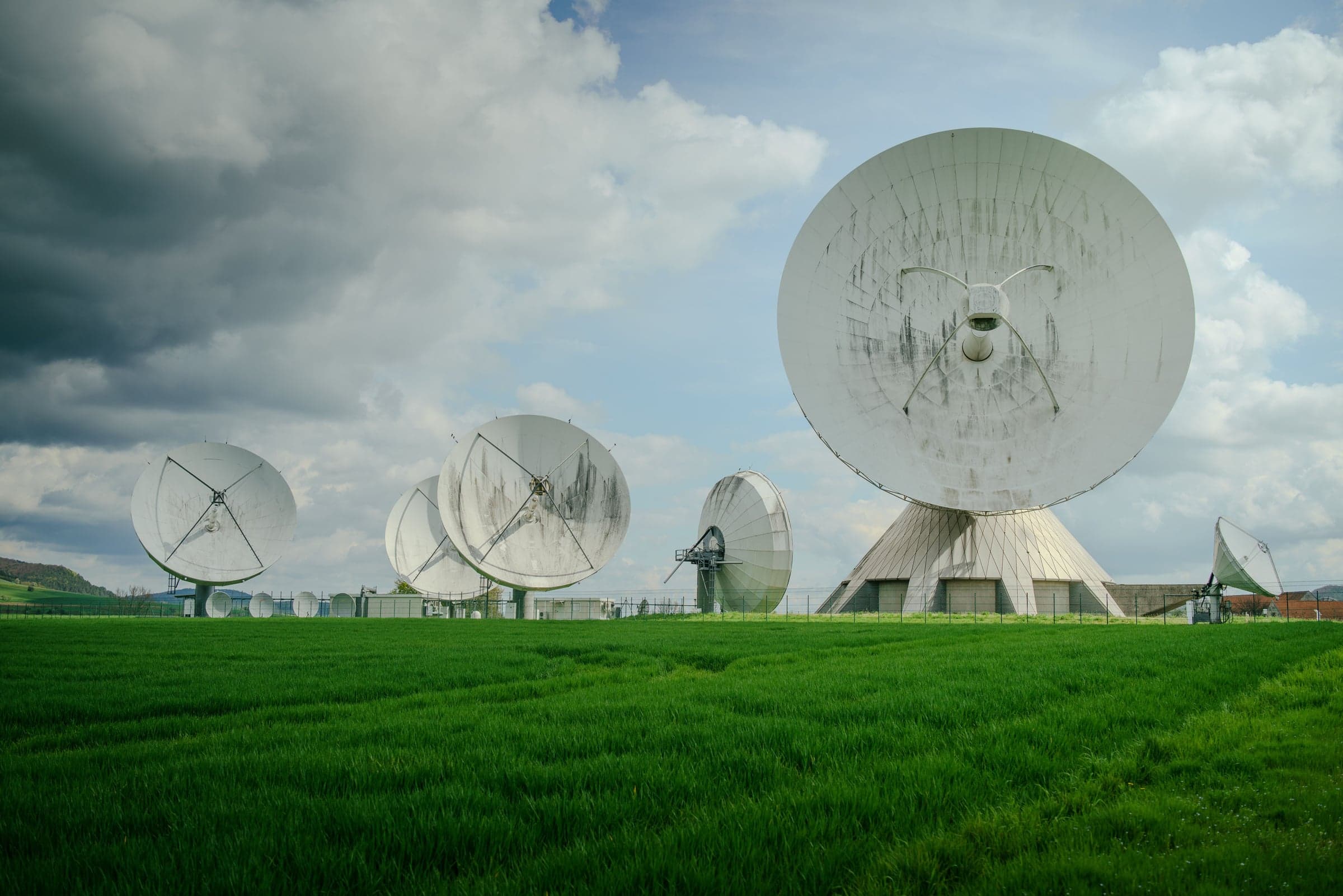
Defense tech & dual-use
Forschungszulage for defense tech and dual-use: why the FZulG is technology-neutral, and how secrecy, dual-use demarcation and public procurement contracts play out in the application. 25%, 35% for SMEs.
View industry page →